Marketers have to continuallyearnandrewardpeople’s attention. If we fail at that task, there are plenty of other content options out there. People — yes, even B2B buyers — want engaging, entertaining and valuable content.That’s great news for those of us on the content side! It means we should be regularly exercising our creative muscles, breaking free of boring B2B, and coming up with new ways to delight our readers. How cool is it, for example, tomake Ghostbusters references…for your job?But as fun and creative as the work can be, there’s a cerebral and analytical side to marketing that we can’t neglect. If you came into marketing through creative writing, not the other way around, you may need to develop the left-brain part of the job:
Writing for a specific audience
Meeting audience demand for information
Prompting the audience to take action
Staying organized
Improving results over time
Here are 10 tips that I use to make sure I stay grounded and organized, even while working on wildly creative content. (Speaking of which, our client Dell Technologies just published thisspy-movie-themed eBookwhich is just lovely).
1 — Embrace Keyword Research
For too long, content creators treatedSEOlike an add-on — something you sprinkled in after the content was done. It wasn’t part of the creative process. It was just a thing you had to do to make sure the bots recommended your content.But now we know better. Keyword research should be part of the content planning process. And not because it makes bots like your content better, either. A high-volume keyword means it’s a keyword thatreal actual peopleare searching for, because they have a need that must be met.Every keyword is a statement of desire. For a creative content marketer, it’s the next best thing to a telepathic bond with our target audience. And speaking of which...
2 — Learn Your Audience
If you’re a creative writer, you probably have an audience you’re used to addressing. When I was writing for my online comedy game, it was nerds like me — people who lived and breathed Star Trek, Star Wars, Doctor Who, et al. At TopRank Marketing, however, I’ve written for CFOs, CEOs, cybersecurity experts, small business owners, millennials in the job market… in other words, a lot of people who aren’t a lot like my default audience. So I had to learn what each of these groups wanted, loved, hated, were afraid of, and needed. That means a lot of research to underpin your creative content.
3 — Involve Diverse Voices
How can you make absolutely sure your content will resonate with a broader audience? Bring more people into the creation process. That means bouncing ideas off of both the millennials and boomers in your office. It can mean talking to people in other departments, too — if you’re writing for CFOs, take a meeting with people in the finance department.But beyond the internal collaboration, look for ways to highlight both respected industry experts and potential clients in your content. All of which requires you to... [bctt tweet="“How can you make absolutely sure your content will resonate with a broader audience? Bring more people into the creation process.” — Joshua Nite @nitewrites" username="toprank"]
4 —Release the Ego
There’s nothing wrong with taking pride in your work, of course. But we writers tend to be protective of the things we write — we don’t like too many people meddling about with our precious words. When we’re writing for personal expression, that’s fine. But when it comes to marketing, we have to make sure the content is the best it can be for the target audience. And that means plenty of editorial oversight. It’s important to get feedback and quality checks on your work, and to keep your eye on the ultimate goal: Content that serves the brand, no matter whose name is on the byline.
5 —Read Other People’s Content
Stephen King famously said, “If you don’t have time to read, you don’t have time to write.” That’s true in marketing as much as in thousand-page novels about killer clowns from outer space. There are three absolutely vital reasons to read other marketing content, especially content targeting the same audience you’re aiming for:
Find great ideas to steal… er, borrow
Find gaps where you can insert your own brilliant ideas
Identify cliches to avoid
For example, you might want to start a blog with “In these uncertain times…” however if you’ve been reading other content regularly, you’ll know that 99% of all blogs written in 2020 started with that phrase, and you’ll be compelled to be more original.
6 —Don’t Confuse the Garnish for the Meal
About a month into my time at TopRank Marketing, I finally got to really flex my creative muscles. We were writing a superhero-themed eBook for a client. I went all out — each section had a full page about a superhero, followed by a page comparing the superhero to the client’s subject matter. So there was a section on Batman, and his methods, and his utility belt, and then a section tying in the metaphor to the cloud software we were writing about.That first draft was one of my first lessons in letting go of ego and collaborating, too. My colleagues gently informed me that people wanted to learn about the technology, not the superhero stuff. I was giving people too much parsley and too little steak.The creative theming in your content should provide a hook for your audience and liven up the subject matter. But it shouldn’t get in the way of the information you’re trying to get across.
7 —Have a Clear Next Step
Marketing content should compel your reader to take specific action. No matter how creative and fun your piece is — and it should be plenty of both — at the end, there should be a logical, meaningful, and measurable next step.You should plan out the content journey and the calls to action before you write a single paragraph of content. Keeping the focus on the customer and their journey will help make sure your content is doing the work it should be. [bctt tweet="“Marketing content should compel your reader to take specific action. No matter how creative and fun your piece is, at the end there should be a logical, meaningful, and measurable next step.” — Joshua Nite @nitewrites" username="toprank"]
8 — Get Invested in Results
When you have measurable calls to action, the logical next step is to — wait for it —measure them. As a creative writer, my impulse when I’m done with a piece is to release it into the world and never look at it again. As a marketer, we have to do the opposite.Don’t just check in on your content’s performance from time to time. Get into those results — who is reading the content? Who is bouncing off of it straight from the search page? How long are people spending with it, and how many of them are clicking your CTA link? A larger organization might have people whose full-time job it is to look at those results. But you should be fixated on them, too; these metrics are an ongoing performance review from your target audience.
9 — Collaborate with Analytics Folks
As much as content marketers want to be invested in results, it can be hard to collect, analyze and visualize the data. That’s why we should be partnering up with people who eat, sleep and breathe data. Those analytical types who are writing queries and building pivot tables are indispensable allies for quality content marketing.Talk to them, make friends with them, buy them cookies and take them out for the beverage of their choice. The more you learn about each others’ disciplines, the more effective your marketing will be. And speaking of learning...
10 —Continue Your Education
I came into the marketing field with one very particular skill: I can write stuff people want to read, and I can do it quickly. But I onlystayedin marketing because I kept learning about all the other aspects of the business. We’re in the era of the T-shaped marketer now. If you’re a content specialist, you should also know a little about SEO, be conversant in analytics, and even take a lunch with the sales team from time to time. Everything you learn will inform your content and make you a better marketer — and will enable you to explore your creativity and still get meaningful, measurable results.Looking for creative B2B content that inspires action?We’ve got you covered.
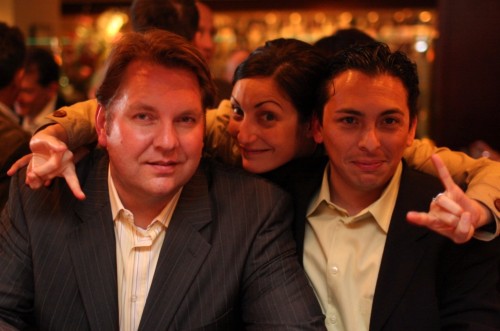
If this is your first time, Inside B2B Influence is a podcast series that goes behind the scenes of B2B marketing and highlights insights with top business executives on influencer marketing for B2B companies. At TopRank Marketing we're doing our best to connect readers and listeners with B2B marketing insiders on strategies, trends, tactics and the future to elevate the practice of growing influence within and outside of B2B brands. In Episode 17 of Inside B2B Influence we have a returning guest who needs little introduction given his accomplishments and yet, we'd all be missing out if I did not mention that Brian Solis is Global Innovation Evangelist at Salesforce, an 8X best selling author, global keynote speaker, digital pioneer and has been a good friend for over 10 years. [caption id="attachment_30272" align="alignnone" width="500"] Lee, Valerie, Brian - 2008 (Photo: Brian Solis)[/caption] As someone who has been at the forefront of studying, innovating and practicing influence in the B2B business and technology world, I reached out to Brian for his thoughts on what the future holds for influence at B2B organizations inside and out, what to look for with business influencers and thoughts on how to scale influence. Highlights of episode 17 include:
Advantages influencer marketing creates for B2B brands in 2022
The most important qualities B2B brands should look for in influencers
The importance for B2B brands to grow influence from within
The next evolution of influence for B2B companies
What B2B companies should consider in order to scale influence
Take a listen to The Future of Influence in B2B Marketing with Brian Solis:
Transcript – Inside B2B Influence Episode 17: The Future of Influence for B2B Marketing
In the first ever research report on B2B influencer marketing, you shared that "in a time of darkness, chaos or confusion, B2B brands have an opportunity to be the light for their customers." As we finish off 2021 and head into another year of the pandemic, what kind of advantage does influencer marketing bring for B2B brands?
I think (B2B influencer marketing) is more important than it's ever been. @briansolis
Brian: I think it's more important than it's ever been and kudos to you for launching that first report. I understand that it was incredibly successful, so thanks for letting me be part of that. I'll try to connect the dots this way for those who are listening. At Salesforce, our mission is to help businesses, not just transform, but to be relevant and to thrive in what's going to be what I call, a novel economy. It's the word novel, like in novel coronavirus means new and unusual, and that means that we're heading into new years, a new genre of business without a playbook. When we take that stance, that means that we have to have a very solid position on how we're going to help you. What does business look like on the other side? What does every function look like on the other side? Marketing, sales and service? How do they all come together to essentially create the enterprise of the future right now? And so that's going to take a lot of work, a lot of thought leadership, a lot of content, a lot of video, a lot of articles, a lot of social media to reach those looking for insights - to connect the dots between valuable information and actions to those who need them.
We have all become marketers now. @briansolis
In that regard, you can't just have the ideas. You can't just have the solutions. You also have to have the ability to connect the dots between those ideas and people who need them. So, in a sense, we have all become marketers now. And I think that's a good thing. I think marketing itself becomes a much more value added, it rises in the ranks of helping to serve, I guess, is the best way to put it, Not just to market or promote or to gain eyeballs, but to serve people. I think it's like a call to arms or this enlightenment that gives us a greater sense of purpose, a more noble sense of purpose. So with that said, I have a lot to read, a lot to learn and relearn in these times because there's certainly a lot of really smart people out there. I'm just hoping to continue to, not just think about ways to help companies, but to also think about ways to reach people their way. And that has me "control alt deleting" a lot of assumptions, that's for sure. B2B marketers have learned many lessons from our B2C counterparts including what makes an influencer. B2B influencers are more than experts with industry credentials. They are increasingly creators as well. What are the qualities most important in an influencer that brands should look for?Brian: Oh, man, let's start with the question of what makes an influencer. You know, I think back to some of the conversations, how many years have we been having these really these awesome conversations? I really appreciate how long we've known each other. We've done a lot of really cool things together. I think this is a time where it's almost as exciting as when we first met. You remember? Social media was just coming together. It was just chaos. It was the wild west. And I think this is that time. I don't know that people are going to pick up that it's that time, but it really is. I want to call it out for this reason. What is an influencer? Because coming into 2022 I think we could all have these visions of some beautiful human being on a beach in Thailand. Somebody walking and seeing their back with their hand extended holding their hand. You know, that's what I think a lot of traditional marketers think about in terms of influencer marketing. I'm not going to knock it. It has been, for B2C, some of the most innovative, creative stuff that I've seen in a long time. There's nothing to say though, that when it comes to B2B that you can't be human being either. I think that's really where we should start thinking about this.
Every single day I get emails, "We need you to be part of this." Very rarely does someone take the time to read my work and then reach out and talk about ways that we might be able to collaborate. @briansolis
I too, have been the recipient of these types of requests. Every single day I get emails, "we need you to be part of this. We want to give you some content to publish. Can you make a video? Can you do this?" And it's simply because of the number of people who follow my work. Very rarely does someone take the time to read my work and then reach out and talk about ways that we might be able to collaborate, because there was some idea that they felt could help them connect the dots of markets they're trying to cultivate. That's where it starts: who are you trying to reach and why? And then building bridges between those people who have earned the trust of those that you're trying to reach, whether it's a macro influencer, certainly in the B2B world, there are people with a lot of followers, more followers than I'll probably ever have. And at the same time they have reached the micro influence that is so critical right now. The people that you trust because they will tell you something specific that you need to do and you believe that their insights are going to help you succeed in how you're measured for success. I'm a big believer in experimenting. So I'll experiment with the wide swaths and the big audiences. But I also want to experiment with direct outcomes. If we can together, do some work that helps people make better decisions or move markets or launch products that help other companies, then that's what I'm talking about. For example, I remember some of my greatest work in the past, aside from what I'm doing right now. So I don't know that I've ever had so much fun while having such an impact, was back in the day with Google when we launched, we introduced the concept of micro-moments. Micro-moments was our way of helping marketers understand that a mobile first customer does not go through the web journey like a traditional customer sitting in front of a big screen or a laptop journey. You have to think about TikToK or Snapchat versus amazon.com, right, in terms of how you go through that. The work that we did cast a wide net because Google is very good at that. My responsibility was the micro stuff. Can we beat the drum of micro influence by talking about micro-moments in every single aspect of how a customer goes through the journey and what they're missing and what they need from marketers, from digital marketers, from web marketers to create that ideal journey.
If I didn't have that audience, I would go build that audience. @briansolis
So, we talked about micro-moments, we talked about mobile first things. We talked about stats, we ran all kinds of research. We did micro-moments for travel, micro-moments for insurance and micro-moments for auto sales. I was a mad man during that first year to 18 months, every single day developing new content, putting it in the places that were going to reach those people. If I didn't have that audience, I would go build that audience. That was my life for a year and a half. And I think the result of that is that everybody knows about micro moments and it's still important after all of these years today. But that was the hard work, dedicated work of cultivating those communities, not just relying on somebody because they had the numbers. I think that in this post pandemic economy that's going to start taking shape, as soon as we can get people vaccinated, that the new world, that next normal needs more work like that. Not just intention to promote stuff, but to build stuff, to help those who are looking for insights, understand that we can build that playbook together.
What is your problem? How has the world changed and how can I help you? Go create (content) around that. @briansolis
I think there's a lot of people asking questions. There's a lot of people looking for help. For those influencers who are going to take the time to think about it, not just promote or say something, or try to get a lot of views or clicks or what have you. But to think about like honestly think about, what is your problem? How has the world changed and how can I help you? And then go create around that. That's the answer to your question. That's what makes an influencer and it's not even an influencer at that point. That's a business partner who's helping you and helping others solve problems and create opportunities. One of the significant trends we've seen with many enterprise B2B brands is growth of investment in building influence from within. This comes in the form of employee advocacy programs as well as building thought leadership and influence for key executives by collaborating on content with industry experts. How important is it for B2B brands to grow influence from within?Brian: Such a great question. I joined this company because I wanted to be part of this culture. The Ohana, it is a very special culture, They, we, I should say, believe in that employee advocacy and empowerment. Because the frontline for us are those individuals who are having to help our customers solve some pretty big problems and transform overnight like most companies that got hit in March, 2020 with remote work and e-commerce, and chat bots and automation, and all of the things that had accelerated roadmaps, digital transformation roadmaps by 10 years. So Mark Benioff, at our big corporate kickoff get together, he talked about how we all need to as individuals, as employees of the organization, not just sell technology, which is a really big thing for a CEO of a hyper-growth company to say. He was basically saying, he wants all of us to think about the outcomes that our customers are trying to solve for and the things that they don't know, that they need to solve for and go be that go be that person, go be that resource so that they can trust you beyond just being a sales person or a service person.
Employee advocacy is the belief in your people that they can provide solutions and help. @briansolis
That's a big call to all of us, right? Not just me and my colleagues who do this every single day, but for everybody. That's employee advocacy. It's the belief in your people that they can provide solutions and help, not just the things that are going to hit the bottom line. To build relationships, as my colleague Henry King, and I have written about it in a serious this last year, we talk about relationship transformation. What do you want the employee to do, or employees do in aggregate and as individuals? Well, essentially it's to build relationships. You know this better than anybody. You build relationships by adding value and consistently adding value.
Business outcomes are natural byproducts of investing in relationships. @briansolis
To do that, it means you have to understand what value looks like. Value is in the eye of the beholder. Then you train, you empower, you re-skill or skill to help people get there. And then you measure that because we're all in the relationship business. You measure the relationships that you want to see come to life. Then business outcomes are natural byproducts of investing in those relationships. So then it's not just a conversation. How can we empower employees to create, to share, to answer questions that maybe haven't been asked and to answer those questions en masse so that a lot of people find those answers. Essentially you build an infrastructure that can help create that type of advocacy. I think that's a pretty big deal, going beyond all of the apps to see, hey, what is it like to work there? You really start to invest in the culture where part of that culture is, you have smart people who are sharing smart things. I think that's part leadership, but also you need a program that isn't just about ghost writing for executives. It's really about giving a voice to the executive who actually believes in those things and scaling them. Thank you Brian! You can find Brian on Twitter, LinkedIn, his website and you can watch Brian along with his co-host John Kao and special guests on their Intersections show every Thursday morning at 10:30am PT. Be sure to stay tuned to TopRank Marketing’s B2B Marketing Blog for our next episode of Inside B2B Influence where we’ll be answering the B2B marketing industry’s most pressing questions about the role of influence in business to business marketing.
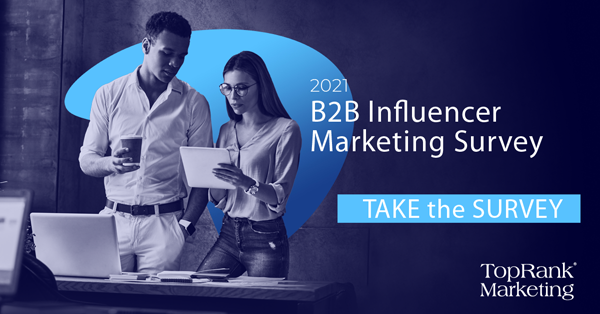
Have you taken the 2021 B2B Influencer Marketing Survey?
Help elevate the practice of influence in B2B marketing by sharing your experience and opinions about B2B marketing and working with influencers in our latest research project. The survey takes just 10 minutes and you'll not only get an advanced copy of our research report featuring insights from Brian Solis and an incredible mix of B2B industry experts, but we're also giving away some sweet incentives. Take the survey today though, because we'll be closing it down soon.
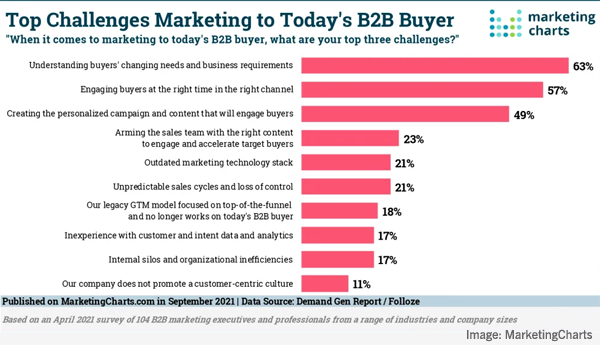
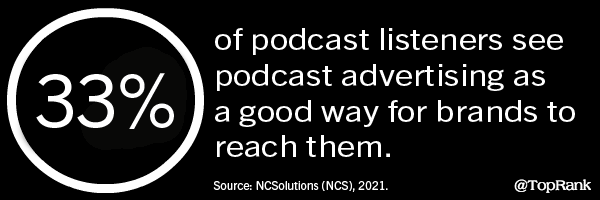
LinkedIn Rolls Out Articles for Pages Microsoft-owned LinkedIn (client) has launched a new feature that gives pages the ability to share long-form content on the professional social platform, an addition that comes amidst an array of other new features including an enhanced LinkedIn Live Events experience for creating more robust virtual events, the company recently announced. AdweekInstagram is Developing a New 'Montage' Feature to Convert Stories to Reels, New 'Favorites' Listing Facebook-owned Instagram has been testing a new option intended to make it easy for digital marketers to convert existing Instagram Stories content into brief Reels video clips, including automatically synced audio. New tool options for signaling favorite audience selections have also recently undergone testing on the platform — both changes that could eventually enhance how marketers use Instagram. Social Media TodayStudy: Podcast Advertising Drives Sales 33 percent of podcast listeners say that podcast advertising is a good way for brands to reach them, a figure that climbs to 42 percent for the most frequent podcast listeners, while 32 percent of podcast listeners say that they have made purchases in the technology category, according to recently-released survey data. MediaPostYouTube Adds Traffic & Revenue Data to Mobile Analytics Google's YouTube platform has rolled out additional analytics information that can now be found using YouTube’s Studio Mobile app, including monthly and transactional revenue reporting, along with a report showing the performance of various traffic sources, previously only available using the desktop-based dashboard, YouTube recently announced. Search Engine JournalReddit Launches New Updates for its Ad Platform, Including Bid Recommendations Social news aggregator and discussion platform Reddit has added several new features to its advertising creation program as it seeks to attract more brands, including upgraded editing capabilities, the addition of ad bidding recommendations, and better bulk ad editing features, Reddit recently announced. Social Media TodayChat App Discord Is Worth $15 Billion After New Funding Online communications portal Discord has seen growth that has attracted an increasing number of brands, and $500 million of new financing has raised the value of Discord to some $15 billion, a figure twice that investors gave the firm in 2020 — growth that has spurred more business users and advertisers to explore the emerging platform. BNN BloombergTwitter Expands Access to Professional Profiles and Ticketed Spaces With an expanded Professional Profiles test opening to more brands, Twitter has continued its initiative to provide businesses greater exposure on the platform, a move that has also now given more users access to Twitter's Ticketed Spaces — its Clubhouse-like voice conversation offering, the company recently announced. Social Media TodayAdvertising Emerges As Fastest-Growing Source Of Recorded Music Revenues During the first half of 2021 advertising-supported on-demand audio streaming services saw a 54.3 percent increase in revenue over the same period in 2020, a jump that makes it the fastest-growing segment of the U.S. music industry, according to recently-released data from the Recording Industry Association of America (RIAA) of interest to digital marketers. MediaPostLinkedIn Launches 'Dark Mode' on Mobile and Desktop Increased accessibility, inclusivity, and reduced eye-strain-inducing blue light are among the aims for LinkedIn’s (client) new dark mode option, being rolled out to the professional platform's users — which numbered over 774 million according to the firm's latest publicly-released figures. Social Media TodayWhat Are B2B Marketers’ Biggest Challenges with Buyers? 63 percent of B2B marketers have said that understanding the changing needs and requirements of buyers was their top challenge, followed by 57 percent who saw finding the correct time to engage on the right channel their biggest challenge — two of several statistics of interest to online marketers in newly-released survey data. MarketingChartsON THE LIGHTER SIDE: A lighthearted look at the “share of voice” by Marketoonist Tom Fishburne — Marketoonist What the Pandemic Pet Boom Means for Marketers — AdweekTOPRANK MARKETING & CLIENTS IN THE NEWS:
Lee Odden — What’s Trending: Upgrade and Enhance — LinkedIn (client)
Lee Odden — Content Marketing 101: What It Is & What Your Content Needs to Do — Mark Armstrong
Have you come across your own B2B marketing news item from the past week of industry news? Please drop us a line in the comments below. Thank you for joining us to explore this week's TopRank Marketing B2B marketing news, and we hope that you will again return next Friday for more of the week's most relevant B2B and digital marketing industry news. In the meantime, you can follow us on our LinkedIn page, or at @toprank on Twitter for even more timely daily news.
How can B2B marketers build powerful and enduring collaborations using influencers? There are more tactics available today than ever for influencer collaboration in the B2B space, but how can marketers find those that are actually achieving ongoing success? We've been fortunate to feature top influencers from a number of industries in our third season of the Break Free B2B Marketing series of video interviews, and we wanted to share their top tactics for both being an influencer in the B2B space, and for improving collaboration. Let’s dig in and learn how 12 subject matter experts are creating powerful collaborations between influencers and brands, with insightful tactics you can implement in your own marketing efforts as we head toward 2022.
Ramon Ray of Smart Hustle Media
@ramonray Founder, Smart Hustle Media [bctt tweet="“Always look for partnerships, at how you can work with others, and at how you can think bigger and more strategically.” — Ramon Ray @ramonray #BreakFreeB2B" username="toprank"] "I think there are different ways that brands do different things. One thing talking to the brand at least, I think, and the influencers, is that — first, are you clear on what the goals are? Why do they want you? Is it reaching numbers? It could be. For me, it's oftentimes that they want safety and security. We want someone who can consistently deliver and give us a good seminar, webinar, or host a product and be excited and draw the expertise out of our subject matter experts. So that's one," Ramon noted. "Second — are you living your brand, offline and online? Meaning can they trust that what you tweet — what you post on Instagram, is going to be something that's going to make them proud. That's okay for the brands you're working with. So that's two. And I think point three, I think the other thing to consider is, are you within the wheelhouse of what they want? If you're an influencer for a headphone company, and you're not all about music, you may not be a fit," Ramon added. "I think those are a few things that I think about when we look at how we're working with a brand, and how a brand may evaluate us — it's safety, security, we try to do the right thing, and be good to work with. And I think that's important," Ramon also shared. Watch, listen to or read Ramon's full interview by checking our the full blog post "Break Free B2B Marketing: Ramon Ray of Smart Hustle Media on Small Business Success & Thinking Big."
Minda Harts of The Memo
@MindaHarts CEO and Founder, The Memo [bctt tweet="“Whether you have 300 followers or 300,000, it's the way that you engage, and people have to trust you.” — Minda Harts @MindaHarts" username="toprank"] What what does it take to be a thought leader, subject matter expert or an influencer? “You know, I would say consistency. One of the things that I started before I had a best-selling book, or any of those things — I was consistent with the content that I put out there," Minda said. "I picked one or two social media platforms, and I said, you know what, I'm going to give my all to these. My demographic is not on everything, right? So if I pick a couple, and I'm consistent, and every Monday I start with a newsletter, because you want to capture your fans or your potential clients. So I think that for me, it was being consistent," Minda added. "Since 2015, every Monday I put out a newsletter. And then I repurpose that content on LinkedIn or Twitter — those are the most active platforms I'm on. I also try to be authentic to my voice, and talk about the things that I know my demographics are interested in. I bring my personal stories, and I asked them questions," Minda shared. "Whether you have 300 followers or 300,000, it's the way that you engage, and people have to trust you. Once you build that consistency and that trust, then all you need is those people who will constantly repurpose and retweet, and do some of those things. But it starts with that consistency. So make sure that you're being true and authentic to the voice that you add to your community," Minda explained. Check out Minda's full interview and visit our full blog post "Break Free B2B Marketing: Minda Harts of The Memo on Having Courageous Conversations."
Keith Townsend of The CTO Advisor
@CTOAdvisor Co-Founder, The CTO Advisory [bctt tweet="“You have to put your thoughts out there. And sometimes putting your thoughts out there is the scariest part about becoming an influencer.” — Keith Townsend @CTOAdvisor" username="toprank"] “I'm fine with calling it being a influencer, a thought leader, or whatever you want to call it. You have to put your thoughts out there. And sometimes putting your thoughts out there is the scariest part about becoming an influencer — but let's just call it being known within your industry," Keith shared. "Becoming an independent influencer is a little more difficult, because there's not quite an established marketplace for the things that I do. So is going to the likes of TopRank Marketing or working directly with vendors to find out how do I help a vendor tell us their story, while keeping my authentic voice," Keith added. “To stand out, don’t avoid those difficult conversations,” he also noted. Watch Keith's full interview in "Break Free B2B Marketing: Keith Townsend of The CTO Advisor on Bringing Value Through Friction"
Dez Blanchfield of Sociaall
@dez_blanchfield Founder, Sociaall Inc. [bctt tweet="“If you're a bank, be a bank, focus on being the best bank you can, and look for things that are going to disrupt you. But don't try to be a phone company.” — Dez Blanchfield @dez_blanchfield" username="toprank"] “When we have a conversation, we don't just talk about influencer marketing. That's a tiny segment of what we do. It's taking an idea from a business plan and sales and marketing strategy in a go-to-market roadmap, around sales, marketing, comms, and business development, and mapping, 'what's the outcome you want?'," Dez shared. "What have you started to do sales investing in? Where are the gaps in that? How can we fill those gaps of digital social conversations, and how can we create these campaigns to drive those outcomes such that if and when someone has a pain point or a buying decision, we have ensured — through driving awareness, education engagement, in the form of influence — that you are top of mind and center of heart at that point of a buying decision," Dez added. Watch, listen to or read Dez' complete interview by checking our the full blog post "Break Free B2B Marketing: Dez Blanchfield of Sociaall on Joining the Conversation."
Tamara McCleary of Thulium
@TamaraMcCleary CEO, Thulium [bctt tweet="“Be clear about why you want to work with an influencer, what you hope to get out of working with the influencer.” — @TamaraMcCleary" username="toprank"] "What is your purpose in using an influencer? Is your purpose to create brand awareness? Is your purpose to increase product sales? What is your purpose? Then, let's reverse engineer from that and go, 'Okay, who has the eyes and ears of the folks that are most interested in your product or service?'," Tamara shared. "Once we start calling people followers, or an audience, we start diminishing them — thinking somehow they don't have any thought leadership. But the point of the matter is every single person has thought leadership, it's just whether or not they're building it by putting content out there," Tamara added. "Be clear about why you want to work with an influencer, what you hope to get out of working with the influencer," Tamara suggested. "If you don't work with an organization that knows what they're doing, that knows how to harness what that end result should be, knows what the influencer should be delivering to the organization, knows what the organization shouldn't be asking the influencer, having a company like like TopRank to do that is important, because when I see organizations try to do influencer marketing themselves, it often fails. And then the big bummer for that is when it fails, they think influencer marketing fails. Influencer marketing hasn't failed. It's just the way you did it failed. You didn't do it right," Tamara observed. Watch Tamara's full episode, "Break Free B2B Marketing: Tamara McCleary of Thulium on Visions of the Future and Doing No Harm."
Nicole Brady of SAHM Reviews
@SahmReviews Publisher, SAHM Reviews [bctt tweet="“Do your thing, do what you're good at. You want to start a business because you want to fill a niche. You have to be doing it because you're passionate about it.” — Nicole Brady @SahmReviews" username="toprank"] What makes influencer content powerful? “Because it's real. It's someone that is sharing their opinions. It's not scripted. It's not a commercial," Nicole explained. "Do your thing, do what you're good at. You want to start a business because you want to fill a niche. You have to be doing it because you're passionate about it," Nicole added. “Find out what makes you different and what makes people want to talk to you, and then leverage it. Share those details, and create content around those details. As more and more people are on social media, being able to find those out-of-the-box environmental things that make you tick — that you might not have known — showing them off, that’s the way to do it.” Watch, listen to or read Nicole's full interview by checking our the full blog post "Break Free B2B Marketing: Nicole Brady of SAHM Reviews on the Importance of Empathy in Reaching Your Niche."
Eric Vanderburg of TCDI
@evanderburg Vice President of Cybersecurity, TCDI [bctt tweet="“Sometimes the influencer stuff can get almost like a back door sponsored content kind of thing, or an endorsement, and that's something that we definitely try to avoid. Make sure the brand shares the values that you have.” — @vtamethodman" username="toprank"] “Meeting other influencers in the space and learning how we all could better support one another, and how they were getting their messages out," has been a helpful approach, Eric noted. "I've always seen this as bigger than any individual, so a lot of these collaborative works have been great," Eric added. "Sometimes the influencer stuff can get almost like a back door sponsored content kind of thing, or an endorsement, and that's something that we definitely try to avoid. Make sure the brand shares the values that you have," Eric also suggested. Explore all of Eric's episode in "Break Free B2B Marketing: Eric Vanderburg of TCDI on The Changing Cybersecurity Landscape."
Sarah Barnes-Humphrey of Shipz
@bevictoryus CEO, SHIPZ [bctt tweet="“Collaboration is the future of business. I think the only way forward is to really be able to understand what your colleagues in marketing, customer service, or procurement are going through on a day-to-day basis.” @bevictoryus" username="toprank"] “There's a lot of collaboration that can happen with supply chain internally, and a lot of different companies. I think we're seeing more and more of that, which is exciting, especially for supply chain professionals, because they really want to work. They're problem solvers, right? That's who we are, as professionals — we are problem solvers. That's what we do on a day-to-day basis," Sarah shared. "We want to collaborate with the different departments internally, to really create that success for the company that that we're working for," Sarah added. "Collaboration is the future of business. I truly believe that. I think the only way forward is to really be able to understand what your colleagues in marketing, customer service, or procurement are going through, and what they do on a day-to-day basis," Sarah also noted. Watch, listen to or read Sarah's full interview by checking our the full blog post "Break Free B2B Marketing: Sarah Barnes-Humphrey of Shipz and The Art of Consistent Change."
Liam McIvor Martin of Time Doctor
Liam McIvor Martin Co-Founder, Time Doctor [bctt tweet="“You really have to figure out a lane that you're passionate about. Get super laser-focused on something.” — Liam McIvor Martin @vtamethodman" username="toprank"] "If you're like — man — I want to be the TikTok influencer. I want to learn how to get people ranked on TikTok — do you like TikTok? I kind of do, but not enough to be able to spend the next five years of my life talking about TikTok. You really have to figure out a lane that you're passionate about," Liam urged. "Get super laser-focused on something," Liam added. Watch Liam's full interview, "Break Free B2B Marketing: Liam McIvor Martin of Time Doctor on The Revolutionary Power of Remote Work."
Oliver Christie of PertexaHealthTech
@OliverChristie Chief Artificial Intelligence Officer, PertexaHealthTech [bctt tweet="“I think the main way I've got to be where I am today is curiosity. I've been curious about the world, curious about technology — I'm really curious about people and how they act.” — Oliver Christie @OliverChristie" username="toprank"] “I was curious. I wanted to know more. So I talked to a lot of people — people who had deep knowledge in one area, and I kept talking and I kept asking questions and discovering more and more and more. I think the main way I've got to be where I am today is curiosity. I've been curious about the world, curious about technology — I'm really curious about people and how they act,” Oliver explained. "I’ve got to like what the project is about, what it's trying to do. And I've also got to believe in the technology or the approach. I think without that, you're selling something. You're just selling something which you don't believe in. And that's not a reason to work," Oliver added. Tune in to Oliver's complete episode, "Break Free B2B Marketing: Oliver Christie on Making Life Better With AI."
Tim Crawford of AVOA
@tcrawford CIO Strategic Advisor, AVOA [bctt tweet="“Decisions are not made based on a tweet, blog post, or webinar. Decisions are made based off of trust over an extended period of time. Knowing who you're working with and having trust in that individual is incredibly important.” @tcrawford" username="toprank"] “It's shocking how the B2C definition of influencer kind of muddies the water of a B2B influencer, which is why I think we don't use that term all that much in B2B, because we're more focused on subject matter expert, thought leader, and authentic thinkers," Tim explained. “I have also had to explain the difference between a B2C influencer and a B2B influencer. And sometimes that's like pushing string uphill, because they think that the B2C model will apply to B2B, let's face it, it's unlike B2C," Tim added. “Decisions are not made based on a tweet. A blog post. A webinar. These decisions are made based off of trust over an extended period of time. And so knowing who you're working with and having trust in that individual is incredibly important,” Tim also noted. Watch, listen to or read Tim's complete interview by checking our the full blog post "Break Free B2B Marketing: Tim Crawford of AVOA on The New Normal."
Kevin L. Jackson of GC GlobalNet
@Kevin_Jackson CEO, GC GlobalNet [bctt tweet="“Communication is key. You need to be able to communicate information effectively using the written, spoken, and visual word, and you have to be able to do that through multiple channels.” — Kevin Jackson @Kevin_Jackson" username="toprank"] “Change is constant and change is accelerating. As an influencer or a subject matter expert, your ability to describe and explain the impact of information technology on business and key performance metrics is critical," Kevin explained. "When you communicate, you need to use the industry's vernacular, because that is what will make you unique. Communication is key. You need to be able to communicate information effectively using the written, spoken, and visual word, and you have to be able to do that through multiple channels — mass media, including social media. By being able to communicate well in those different forms across these different channels, your audience will grow rapidly and organically,” Kevin also noted. "It's really important to understand or accept this as a relationship. Not a short term experience, but a long term relationship where the influencer is a valued part of not just the marketing team, but the communications team, and the sales team. You really break free through collaboration and open dialogue with your colleagues and partners,” Kevin added. Learn more from Kevin and see his full interview in "Break Free B2B Marketing: Kevin Jackson of GC GlobalNet on Cloud Computing."
Reach New Heights With B2B Influencer Marketing
via GIPHY These days successful B2B influencer marketing hardly ever follows the way it's always been done, as all 12 of our subject matter experts have shown. We hope you'll find the tactics and insights from Kevin, Tim, Oliver, Liam, Sarah, Eric, Nicole, Tamara, Dez, Keith, Minda, and Ramon inspiring and useful as you plan your upcoming B2B influencer marketing initiatives. For even more insight from leading B2B marketers, be sure to also check out our Inside B2B Influence series of video interviews and podcasts, including the latest featuring Sarita Rao of AT&T, in "Inside B2B Influence: Sarita Rao of AT&T on Growing B2B Executive Influence with Social Media." Crafting award-winning B2B marketing with a skillful mixture of influence takes considerable time and effort, which is why many firms choose to work with a top digital marketing agency such as TopRank Marketing. Contact us and let's talk about how we can help, as we’ve done for businesses ranging from LinkedIn, Dell and 3M to Adobe, Oracle, monday.com and others.
Inside B2B Influence is a podcast and video series that goes behind the scenes of B2B marketing and highlights insights with top business executives on marketing for B2B companies. We’re doing our best here at TopRank Marketing Blog to elevate the practice of growing influence within and outside of B2B brands to drive thought leadership, create demand and grow revenue. Episode 16 of Inside B2B Influence features a discussion with Sarita Rao (@saritasayso), who is President, Integrated and Partner Solutions at AT&T. Sarita contributed her expertise to the State of B2B Influencer Marketing Report last year and I have been following her closely (and learning) on LinkedIn and Twitter ever since. For any senior executive wondering about how they might best use social networks to better connect with their staff and company employees, customers, prospects and the industry at large, Sarita is a great example of what you should do. While the brand she works for and the level of seniority she's achieved impart a certain level of general business influence, Sarita earns even more influence about the topics she cares about most on a daily basis. She's a living example of how to build thought leadership and influence around the things she's passionate about and engages on through social content. To learn more about how a senior executive at a Fortune 11 company is able to be so effective on social channels, I invited Sarita to the Inside B2B Influence show. We talked about a range of topics from the value senior executives bring to their teams, customers and the business when they are active on social channels to smart advice for up and coming women business leaders. Highlights of this episode of Inside B2B Influence with Sarita include:
What prepared Sarita best for her current leadership role
How social media engagement has impacted her career
Advice for B2B executives on becoming more social online
Advice for women who aspire to senior business leadership roles
Insights into collaboration tools and technology for interacting with current and prospective customers
Tips on making connections with employees more human
How Sarita is helping to redefine customer experience at AT&T
An example of what real human conversation and interaction looks like in today's business world
The importance for today's modern sales or marketing leaders to be active on social channels
You can listen to episode 16 (How B2B Executives Can Grow Influence with Social Media) of the Inside B2B Influence podcast here: Watch the full video of my interview with Sarita here:
You have had an incredible career at AT&T. What in particular prepared you most for your current role as President, Integrated and Partner Solutions?Sarita: You know honestly, I think it's that I love this job. It's like accumulation of all the things I've done. So I've been with AT&T gosh, 30 years. Thank you for not mentioning that, I just did though. But I've been with the company for over 30 years and I've had everything from sales to program management to marketing. And if I think of my last job in marketing, it really taught me about taking the complexity out of what we do in a technology environment. It can be rather complex.
I think things are complex when we make them complicated. There are simple ways to approach just about everything. @saritasayso
My team has both direct and indirect sales and we take some of our more value added services and really help our customers get through the complexity of network transformation. So I will tell you it's a collection of everything. It's taught me the importance of taking something big and making it something understandable. And I think that's as important whether you're doing it in marketing or whether you're doing it in sales. I'd really say that in this job, where I actually helped launch the wholesale business so I also have that segment, feels like I'm coming home to a good group of corporate citizens and we have the opportunity to move the needle. So, it's really a collection of multiple things. You are pretty active on social networks like LinkedIn and you've become a business influencer with thousands of followers. Do you feel being publicly active on social networks and in the industry played any part in your career advancement either in terms of visibility, networking or knowledge?Sarita: Right. I appreciate the compliment, I'm not sure about the influencer part. I do social for a couple of different reasons: One, it's to connect my team, right? Across my career AT&T whether we're on a direct team together now, or part of the larger AT&T ecosystem, staying connected is really important to me. I think that helps in many different ways. I would tell you consistency for social media is important, but if I think of what I do today, since I have both indirect and direct sales, it's a great way to connect with my customer base as well, for them to see what we're up to. So I see multiple advantages of social.
Social Media is great way to amplify the work that your team is doing and frankly, our next generation of leaders. @saritasayso
During this pandemic, I will tell you, I used Twitter more to stay connected with the team because we were also remote from one another. I kind of joke that we weren't socially distant, we're physically distant. I found things like Twitter as a quick way to connect with the team, because you didn't have those hallway conversations anymore and so forth. So I probably upped my game a little bit in social for Twitter, but each one of the platforms is, you know better than anyone, has a different purpose and a different reason. While the number of business leaders active on social channels has grown, not everyone is comfortable with "being out there". What advice can you share for business and sales executives who want to be more active on social networks?Sarita: First I think you have to have the innate desire, right? Because then you're going to be consistent and you're going to speak with passion about things that you're interested in. I don't think you can be on social and be robotic about it. It has to be the authentic you. But you also need to remember each of these platforms is meant for something else. I don't do Facebook. Facebook is very personal, right? I don't do business content on Facebook. Do I stay in touch with some friends via Facebook? Yes. LinkedIn is a different experience, Twitter is different and so forth. So there are different ways that I think, as a leader or in that business world, you've got to think about what you want to be and how you want to be out there on social. And then for me, there's a couple of different ways that you can build your brand because that's effectively what you're doing on social media. First and foremost: personal and professional, they go hand in hand. It can be difficult to separate your personal life from your professional life, but make sure the content that you're putting up there represents your best self. Again, I go back to, remember what the platform is for, I think that's important.
You have to speak to be heard. @saritasayso #executiveinfluence
You have to speak to be heard, right? Ultimately, social media is going to give you a platform to share your ideas and connect with others. It's also a fantastic way to get a temperature, right? Some of the surveys that you can do of what folks are thinking outside of your world, especially in an environment where we've all been a little secluded from each other. I like using some of the different social polls and so forth as we're thinking about, "how do you get back to work?" It's a nice way to reinforce some of the thinking.
It's important to always be yourself, to be authentic and not be robotic. @saritasayso #executiveinfluence
It's important to always be yourself, to be authentic and not be robotic. I think that's really important. Determine the right platforms. What's the one you're most comfortable with? What you can do on Twitter is very different than what you can do on LinkedIn. Make sure you're investing in the platforms that can get the message that you want, put out there. I love the use of hashtags, but let's make sure they're relevant. Let's just not use hashtags and emojis for the sake of using hashtags and emojis, but make sure they're really relevant. The reason why you're using a hashtag is to connect in that conversation. It's not just to put a hashtag out there. So let's make sure you're using the right hashtag.
They say content is king, but context is just as important. @saritasayso #executiveinfluence
They say content is king, but context is just as important. There's a ton of content out there, but not all of it's being consumed. So make sure you're in the right context as well. I think those are some of the things that I would suggest folks look at. One of the things I had the good fortune to learn as I was starting my social journey was that social media is really a combination of art and science. So success really depends on the commitment you want to put towards it. But whatever commitments you've put towards it, make sure you're consistent about it. That's some of the advice that I'd have. According to data reported by LinkedIn, 60% of marketing professionals are women as are 52% of CMOs. As a successful woman with a background in sales and marketing leadership, what advice can you share with other women in business who aspire to your level of success?Sarita: Great numbers, by the way, I did not know those. It's great progress and yes, there's always room for more growth, but that's a fantastic direction. It's been really exciting seeing in social media, a lot of the changes and movement of some really strong marketing leaders, so that that's been exciting. I think from an advice perspective, first and foremost, I would say think broadly. Don't limit your thinking. Think broadly, ask those questions. Which, to me, is really having that element of never ending curiosity.
Curiosity is just so important. Because you just never know what you're going to uncover and when you ask those questions. @saritasayso #executiveinfluence
I loved going into marketing. I have an accounting degree by the way. So I remember when they asked me if I would look at marketing, I'm like, I have an accounting degree. And what that opened myself up to is that I always had to ask questions because I didn't know the answer. And even when I know the answer, or I think I know the answer, I learned even more. So to me, curiosity is just so important. Because you just never know what you're going to uncover and when you ask those questions, it allows folks to think about that answer. And sometimes they're learning something in that too. There's a great conversation always to be had there. And then be agile. People think of agile as a process word. To me, being agile is the fact that you're constantly ready to move, make quick and easy movements. It doesn't have to be these huge, massive shifts. Sometimes we wait to make these big, massive shifts. Sometimes it's just tweaks and adjustments along the way. It is really is about thinking broadly, having that never ending curiosity and then being agile. I think those are the three pointers I would give, not just in the marketing world, but, in a career overall. As we start to emerge from COVID, what unique tools or initiatives are you using to interact with current and prospective customers? Sarita: All of them, right? Everything from what we're on right now, whether it be Zoom or WebEx or Microsoft Teams, pick the one that you feel the most comfortable for those engagements. I will tell you with those conversations, because I don't have to get on a plane and pack my luggage, unpack my luggage, do all that other fun stuff. I can actually see more customers now, which is fantastic. I just picked up a global team, they're in 26 different countries and I got to meet them all sooner, versus getting on a plane to go see all of them. We found different creative things to go do. Even with our customers we do this. We have an advisory council and when we meet with our customers, we're in meeting all day and they're giving us insights and we're showing them what we're about to go look at. They're giving us their feedback so we can kind of shape our product portfolio with their insights. But in the evenings, we're still doing the social hour, right? Something we would have done when we were all in person. There's something very rewarding about that. We had a celebrity chef do a client dinner. About 20 clients were on this. And we got invited into their homes. That wouldn't have happened before. So we got invited into their homes and they brought their family on the journey with them, which again, we wouldn't have had that opportunity before. So yes, trust me, I miss and crave face-to-face meetings. During this little bit of a break we had right before the Delta variant, we were back in our briefing center and it was absolutely exciting to go meet with one of our partners. We were face-to-face and we took the photos and did that stuff. And we advanced a lot of our conversations. So, it was a different conversation than some of the other experiences, but I will tell you, they both have their charm to them.
I see it as an exciting opportunity from a hybrid work perspective. I think customers are far more open. They're not waiting for us to get on a plane to visit with them. And I think the team as well. @saritasayso
So, I see it as an exciting opportunity from a hybrid work perspective. I think customers are far more open. They're not waiting for us to get on a plane to visit with them. And I think the team as well. Think about everything our teams have gone through, each of us as humans has gone through, many people homeschooling their children. To know that we could build an environment where they could still do that and still be very present at work and be really comfortable...I mean, if a dog was barking in one of our backgrounds right now, we wouldn't say cut video, right and start again? This is us, right? And I think there's something very charming about that. All relationships have an emotional component whether they're with industry experts or your own teams. For many, those relationships are happening through online meetings. How are you and your teams making digital more human?Sarita: Absolutely. I have done a cheese tasting at 5:30 in the morning because that worked well in Asia. Right. It was a great way to bond with the team. Cheese at 5:30 in the morning not so much. If you think about it, during the first couple of months of the pandemic we all built our home office space and tried to find the place we could all be at home. We upgraded our cameras, we figured out the microphones, we hung guitars and ukuleles in the background. We started personalizing the space, right? There's this great Twitter handle called room rater (@ratemyskyperoom) where they rate the rooms and so forth. I think we all became conscious of that. I think one of the best selling books on Amazon during the first month of the pandemic was, I don't remember the name of the book, but about reading and looking at the titles of the books on people's bookshelves. So we have that element and then many folks have kind of also managed to become teachers to their children and many adopted new pets and many just spent more time with their family and we've invited each other into our homes. We've had people comment on the space that we're in. During the pandemic I was traveling between Dallas and where my family lives in Chicago. Folks knew where I was simply by looking at my background. So it all did become personal. But if I think of what I encouraged my team to do first and foremost, I asked them to set boundaries. It's really easy to be in front of these machines hour after hour after hour. I always ask them when they're kind of working from home to take a moment to disconnect. And if you can't disconnect, take that moment to go for a walk maybe while being on a call. That's okay. Maybe we even take a moment to turn the camera off so you can have that time. Setting boundaries has been kind of an important guidance for my team. Some parts of the organization did "no meeting Friday". You actually saw a lot of folks on social media talk about doing a no meeting Friday. I'll tell you when I came into more of a customer facing organization, I'm like maybe we alleviate video because ultimately if your customer is available Friday, we should be available Friday. The business doesn't shut off. So I think no meeting Friday is something that has nuances to it.
I think you have to set a stressless tone. If someone's child comes in a room or, or a dog is barking, you know, I see as a good sign that I have fewer people apologizing for that. @saritasayso
I think you have to set a stressless tone. If someone's child comes in a room or, or a dog is barking, you know, I see as a good sign that I have fewer people apologizing for that. They now know it's okay. I think that's really important to set that stressless tone and take a vacation. You still need to take a vacation, right? Even if we were in the world of lockdown where you couldn't travel as much, just a day away, a two days away is still really important. Find something, to go off and do and take your mind off of work. For me also staying connected to coworkers, to family, friends that was really important. I used to love walking by someone's office. I was just talking to someone earlier today where he was like, "you'd always pop out of your office, you'd ask a question". He goes, "I feel somewhat disconnected from that". I'm like, there's still ways to go do that. I used to do this way back when I first started with the company. When we first went to a full go home environment is I would do howdy calls where I would just pick up the phone and call someone to say hello. I think folks like that. Something else, I have gone through so much stationary during the pandemic, a lot of handwritten notes. I think there's something kind of special about getting those. We lost that art. Sometimes getting those handwritten notes was nice as well. It was another way that I tried to stay connected. Customer experience is a focus and key differentiator for most B2B companies. How are you redefining the customer experience at ATA&T to build trust and deepen relationships? Sarita: I would tell you when the pandemic first started, small businesses really struggled. And continue to with the open and close environments. One of the best examples I have of how we leveraged social media for our customers is our efforts with small business. As they were going through some of their challenges, we looked across our business to say, what can we go do to help? There's an agency within AT&T as part of our Warner media family, Fullscreen, and, there were at a slow period. So the employees there got together and they built the social media playbook. So you have this professional agency building a playbook on how you establish your social media environment when people can't come into your store and see your products and services. They showed us this and this is beautiful. It's a high cost for a small business to get that advice. It's not just about opening Instagram and wallah, you're there. There is a science to this as we talked about earlier. So we took that playbook and we offered it to our customers, to the community at no cost by any means. And that was just a fantastic tool. And we used social media to get that playbook out there to thousands and thousands of customers. That's one way. We also had different customers connect in different webinar experiences so they could learn from one another. I think those were a couple of the key ways. We definitely used our digital space. We created an area specifically for small businesses within our AT&T business environment. We created a handbook on how you build a virtual business. How do you take your physical to your virtual business and so forth and shared that as well. So what we tried to do is, was take some of the things that larger companies have more easy access to and make those available to smaller businesses.
One of my favorite phrases from the pandemic, I remember a team member said, "Sarita we're in this together". I remember hearing that and I'm like, you're absolutely right. We are in this together. @saritasayso
One of my favorite phrases from the pandemic, I remember a team member said, "Sarita we're in this together". I remember hearing that and I'm like, you're absolutely right. We are in this together. And then I heard that phrase time and time again, and I'm like, wow, did we hear it from them or did they hear it from us? But the beautiful thing was that everybody embraced it. So it's one of my favorite phrases, we're in this together. In the State of B2B Influencer Marketing Report, you shared a quote about the importance of authenticity and that people naturally trust other people more than brands. You also mentioned, "Working with credible B2B influencers can help build brand authority through real, human conversations and interactions." Can you share an example of what "real, human conversations and interactions" looks like?Sarita: We brought Barbara Corcoran on to help us. She has done a series of webinars, we're still doing them and I encourage folks to go watch them. You can't get more real. Barbara also brought her friends in, like Rachel Ray. So someone that's both inspirational and aspirational, right. If you have somebody that is going out there to start that business, they've seen these individuals grow those businesses. What I loved about Barbara is we always offered up a Q and a section and it was like, "well, I'm thinking about starting this". And she just said, you're too late. You're too late if you don't start now. So she was directive and motivational as well. We've seen how Barbara has built so many successful businesses through her work. So I think it was a very relatable and it was somebody, again, that simplified something that was rather complex. She brought emotion. Folks say this isn't emotional. It is emotional. So she brought emotion into it and she brought a sense urgency where urgency was required. And this wasn't anything that we charged our customers for. This was about us contributing to the community because that's what small businesses are about, right? It's the community. So I think Barbara was just a huge hit and just so incredibly authentic. That's what I really liked. And I think that's the power in bringing the right influencers on board. How important do you think it is for sales leaders to be active on social networks and build community?Sarita: Yeah. I think it's key that you have to have a sort of full cadre of what your plan is. But social media, in my opinion, is one of the most important aspects of marketing. It provides incredible benefits but you have to know where you're reaching your customers and where your customers are. For me the focus is, as you know, is LinkedIn and Twitter. I don't use many of the others because that's not where my team is or my customers are. So I think that's going to be really important that you know where you reach your customers depending on your business. There's others, where Instagram is going to be really important for that business. So just make sure you understand where you should be telling your story. I think staying active and up to date is important and staying relevant and the messaging of today is really important.
Social media, in my opinion, is one of the most important aspects of marketing. @saritasayso #executiveinfluence
I think it's anywhere, right? Social really goes anywhere from awareness to consideration until the customer is ready to buy. So there's multiple ways of looking at it. So I think it's definitely relevant. I think you see more brands investing in social for their messaging because you get that broader reach and you get a greater return from that perspective. But again, remember to be active where your customer base. If you're using it for customer acquisition remember to be active where your customers are.
More brands investing in social for their messaging because you get that broader reach and you get a greater return. @saritasayso #executiveinfluence
Thank you Sarita! You can find Sarita on Twitter, LinkedIn and you can learn more about AT&T Business on their website. Be sure to stay tuned to TopRank Marketing’s B2B Marketing Blog for our next episode of Inside B2B Influence where we’ll be answering the B2B marketing industry’s most pressing questions about the role of influence in business to business marketing. You can also download The State of B2B Influencer Marketing Report featuring insights from a survey of hundreds of B2B marketers plus case studies and contributions from marketing executives at brands including AT&T Business, Adobe, LinkedIn, IBM, Dell, SAP and many more.
Working with influencers creates an amazing opportunity to co-create and co-promote content for B2B brands. The brand can promote the influencer and vice versa. It’s a win-win. Along with the win comes a responsibility to promote your B2B marketing content in a way that captures attention. It's social media marketing after-all. To help you get the most out of your investment in content collaborations with influencers, here are 5 tips to spice up your social media posts. Follow this advice and the valuable content your influencers have helped you create will better reach, engage and inspire your customers.
Tips for co-creating share-worthy influencer content
Tip 1 - Tag, tag, tag
It’s important to give credit where credit is due, so be sure to mention and tag all influencers included in the content piece within the copy of your social posts. It’s a great way to spotlight and highlight your co-creators and add third party credibility to brand content. If an influencer is not on a particular social platform, you can mention them and tag their company. When you @ tag influencers on platforms like LinkedIn or Twitter, the post can create a notification to the influencers and prompt them to engage and share. When influencers interact with brand social content, it can trigger the social network ranking algorithm to show the brand post in your community's feed more frequently helping you stand out and reach even more influencers and customers. Extra tip - having a hard time tagging an influencer on LinkedIn? Follow them first, and post it natively on the platform.
Tip 2 - Be concise
Social media, especially Twitter, is short and to the point. Think about social posts like you would a headline. If you were asked to write 3-6 headlines and subheadings for your post, what would you include? You don’t need to call out that this is a blog post from MY BRAND. If it’s coming from your handle, readers will assume it is your post, unless you call out another source. When writing for LinkedIn, Facebook or Instagram, just because you can use more than 280 characters, does not mean that you should. If your goal is to get someone to click on a link, think short, sweet and to the point.
Tip 3 - Start with an engaging opening line
Have you read a social post that started with “Our latest post…” or “We spoke to…”? I have. Did it drive you to read that post? Probably not. The first line of your social media posts need to stand out and pull the reader in, so give them a reason to pick and click your content out of the hundreds of thousands of posts in their feeds. It’s just like the opening line of an article. Here are some ideas on optimizing the title of influencer social content:
Start with a statistic
Call out a great quote from the thought leader
Tease out an interesting point
Here is an example of a social post on LinkedIn that leads with a statistic and showcases influencers If you start with the most interesting points from the content co-created with influencers in your promotional content on social channels, it will stand-out more for both customers and the influencers.
Tip 4 - Create engaging visuals
Your images need to be as engaging as your copy. Use the great content you co-create with thought leaders to find a stat, line or quote that you can use in visuals that will entice the reader to stop and read your post. Jeff Bullas calls out that tweets with visuals are retweeted 1.5x more than text tweets in his post on visual statistics. When you include a great thought leader, ask them if you can include their headshot in the visual. It’s nice to show that your content contains great thought leadership. Here is an example of a gif image that promotes our State of B2B Influencer Marketing research report that features statistics and a key contributing expert, Rani Mani from Adobe.
Tip 5 - Repurpose on Purpose
Many content collaborations with B2B influencers result in substantial content like an ebook, report or blog post as well as involve content opportunities like events. To maximize the promotion opportunity of including the most credible experts in your content, think about going beyond pulling out influencer quotes and sharing them on Twitter, Facebook and LinkedIn. When you plan your brand content and where influencers will contribute their expertise, think ahead about how you might repurpose that content in different formats and on different channels. For example, you might pull all the influencer quotes from an ebook about a certain topic into an infographic that also includes key industry statistics. Or you might have someone livetweet/blog a webinar given by an influencer, then create social graphics out of compelling comments the influencer made during the presentation. Those comments could be re-used in a wrap-up blog post and even added to articles about the topic contributed to industry publications.
Creating a Meaningful Experience
When working with influencers, you want them to understand you value their content and want to share it with your brand’s community. Taking that to the next level with great social content they will want to share with their followers is key. Giving them a good experience will lead thought leaders to want to work with you again, and help to drive positive outcomes. If you would like to learn about B2B influencer marketing from the B2B brand marketers who are doing it every day, be sure to check out the Inside B2B Influence podcast.


 Lee, Valerie, Brian - 2008 (Photo: Brian Solis)[/caption] As someone who has been at the forefront of studying, innovating and practicing influence in the B2B business and technology world, I reached out to Brian for his thoughts on what the future holds for influence at B2B organizations inside and out, what to look for with business influencers and thoughts on how to scale influence. Highlights of episode 17 include:

 LinkedIn Launches 'Dark Mode' on Mobile and Desktop Increased accessibility, inclusivity, and reduced eye-strain-inducing blue light are among the aims for LinkedIn’s (client) new dark mode option, being rolled out to the professional platform's users — which numbered over 774 million according to the firm's latest publicly-released figures.
 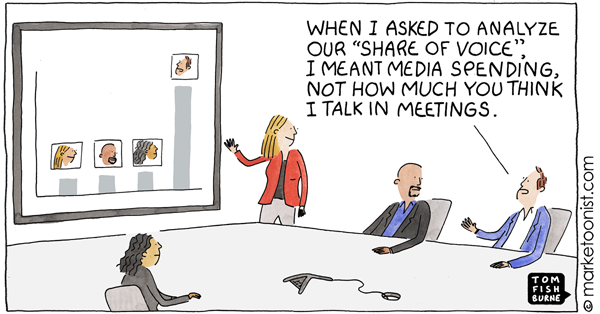 A lighthearted look at the “share of voice” by Marketoonist Tom Fishburne —
 [bctt tweet="“Always look for partnerships, at how you can work with others, and at how you can think bigger and more strategically.” — Ramon Ray @ramonray #BreakFreeB2B" username="toprank"] "I think there are different ways that brands do different things. One thing talking to the brand at least, I think, and the influencers, is that — first, are you clear on what the goals are? Why do they want you? Is it reaching numbers? It could be. For me, it's oftentimes that they want safety and security. We want someone who can consistently deliver and give us a good seminar, webinar, or host a product and be excited and draw the expertise out of our subject matter experts. So that's one," Ramon noted. "Second — are you living your brand, offline and online? Meaning can they trust that what you tweet — what you post on Instagram, is going to be something that's going to make them proud. That's okay for the brands you're working with. So that's two. And I think point three, I think the other thing to consider is, are you within the wheelhouse of what they want? If you're an influencer for a headphone company, and you're not all about music, you may not be a fit," Ramon added. "I think those are a few things that I think about when we look at how we're working with a brand, and how a brand may evaluate us — it's safety, security, we try to do the right thing, and be good to work with. And I think that's important," Ramon also shared. Watch, listen to or read Ramon's full interview by checking our the full blog post "
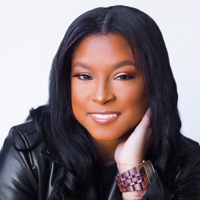 [bctt tweet="“Whether you have 300 followers or 300,000, it's the way that you engage, and people have to trust you.” — Minda Harts @MindaHarts" username="toprank"] What what does it take to be a thought leader, subject matter expert or an influencer? “You know, I would say consistency. One of the things that I started before I had a best-selling book, or any of those things — I was consistent with the content that I put out there," Minda said. "I picked one or two social media platforms, and I said, you know what, I'm going to give my all to these. My demographic is not on everything, right? So if I pick a couple, and I'm consistent, and every Monday I start with a newsletter, because you want to capture your fans or your potential clients. So I think that for me, it was being consistent," Minda added. "Since 2015, every Monday I put out a newsletter. And then I repurpose that content on LinkedIn or Twitter — those are the most active platforms I'm on. I also try to be authentic to my voice, and talk about the things that I know my demographics are interested in. I bring my personal stories, and I asked them questions," Minda shared. "Whether you have 300 followers or 300,000, it's the way that you engage, and people have to trust you. Once you build that consistency and that trust, then all you need is those people who will constantly repurpose and retweet, and do some of those things. But it starts with that consistency. So make sure that you're being true and authentic to the voice that you add to your community," Minda explained. Check out Minda's full interview and visit our full blog post "
 [bctt tweet="“You have to put your thoughts out there. And sometimes putting your thoughts out there is the scariest part about becoming an influencer.” — Keith Townsend @CTOAdvisor" username="toprank"] “I'm fine with calling it being a influencer, a thought leader, or whatever you want to call it. You have to put your thoughts out there. And sometimes putting your thoughts out there is the scariest part about becoming an influencer — but let's just call it being known within your industry," Keith shared. "Becoming an independent influencer is a little more difficult, because there's not quite an established marketplace for the things that I do. So is going to the likes of TopRank Marketing or working directly with vendors to find out how do I help a vendor tell us their story, while keeping my authentic voice," Keith added. “To stand out, don’t avoid those difficult conversations,” he also noted. Watch Keith's full interview in "
 [bctt tweet="“If you're a bank, be a bank, focus on being the best bank you can, and look for things that are going to disrupt you. But don't try to be a phone company.” — Dez Blanchfield @dez_blanchfield" username="toprank"] “When we have a conversation, we don't just talk about influencer marketing. That's a tiny segment of what we do. It's taking an idea from a business plan and sales and marketing strategy in a go-to-market roadmap, around sales, marketing, comms, and business development, and mapping, 'what's the outcome you want?'," Dez shared. "What have you started to do sales investing in? Where are the gaps in that? How can we fill those gaps of digital social conversations, and how can we create these campaigns to drive those outcomes such that if and when someone has a pain point or a buying decision, we have ensured — through driving awareness, education engagement, in the form of influence — that you are top of mind and center of heart at that point of a buying decision," Dez added. Watch, listen to or read Dez' complete interview by checking our the full blog post "
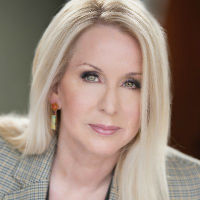 [bctt tweet="“Be clear about why you want to work with an influencer, what you hope to get out of working with the influencer.” — @TamaraMcCleary" username="toprank"] "What is your purpose in using an influencer? Is your purpose to create brand awareness? Is your purpose to increase product sales? What is your purpose? Then, let's reverse engineer from that and go, 'Okay, who has the eyes and ears of the folks that are most interested in your product or service?'," Tamara shared. "Once we start calling people followers, or an audience, we start diminishing them — thinking somehow they don't have any thought leadership. But the point of the matter is every single person has thought leadership, it's just whether or not they're building it by putting content out there," Tamara added. "Be clear about why you want to work with an influencer, what you hope to get out of working with the influencer," Tamara suggested. "If you don't work with an organization that knows what they're doing, that knows how to harness what that end result should be, knows what the influencer should be delivering to the organization, knows what the organization shouldn't be asking the influencer, having a company like like TopRank to do that is important, because when I see organizations try to do influencer marketing themselves, it often fails. And then the big bummer for that is when it fails, they think influencer marketing fails. Influencer marketing hasn't failed. It's just the way you did it failed. You didn't do it right," Tamara observed. Watch Tamara's full episode, "
 [bctt tweet="“Do your thing, do what you're good at. You want to start a business because you want to fill a niche. You have to be doing it because you're passionate about it.” — Nicole Brady @SahmReviews" username="toprank"] What makes influencer content powerful? “Because it's real. It's someone that is sharing their opinions. It's not scripted. It's not a commercial," Nicole explained. "Do your thing, do what you're good at. You want to start a business because you want to fill a niche. You have to be doing it because you're passionate about it," Nicole added. “Find out what makes you different and what makes people want to talk to you, and then leverage it. Share those details, and create content around those details. As more and more people are on social media, being able to find those out-of-the-box environmental things that make you tick — that you might not have known — showing them off, that’s the way to do it.” Watch, listen to or read Nicole's full interview by checking our the full blog post "
 [bctt tweet="“Sometimes the influencer stuff can get almost like a back door sponsored content kind of thing, or an endorsement, and that's something that we definitely try to avoid. Make sure the brand shares the values that you have.” — @vtamethodman" username="toprank"] “Meeting other influencers in the space and learning how we all could better support one another, and how they were getting their messages out," has been a helpful approach, Eric noted. "I've always seen this as bigger than any individual, so a lot of these collaborative works have been great," Eric added. "Sometimes the influencer stuff can get almost like a back door sponsored content kind of thing, or an endorsement, and that's something that we definitely try to avoid. Make sure the brand shares the values that you have," Eric also suggested. Explore all of Eric's episode in "
 [bctt tweet="“Collaboration is the future of business. I think the only way forward is to really be able to understand what your colleagues in marketing, customer service, or procurement are going through on a day-to-day basis.” @bevictoryus" username="toprank"] “There's a lot of collaboration that can happen with supply chain internally, and a lot of different companies. I think we're seeing more and more of that, which is exciting, especially for supply chain professionals, because they really want to work. They're problem solvers, right? That's who we are, as professionals — we are problem solvers. That's what we do on a day-to-day basis," Sarah shared. "We want to collaborate with the different departments internally, to really create that success for the company that that we're working for," Sarah added. "Collaboration is the future of business. I truly believe that. I think the only way forward is to really be able to understand what your colleagues in marketing, customer service, or procurement are going through, and what they do on a day-to-day basis," Sarah also noted. Watch, listen to or read Sarah's full interview by checking our the full blog post "
 [bctt tweet="“You really have to figure out a lane that you're passionate about. Get super laser-focused on something.” — Liam McIvor Martin @vtamethodman" username="toprank"] "If you're like — man — I want to be the TikTok influencer. I want to learn how to get people ranked on TikTok — do you like TikTok? I kind of do, but not enough to be able to spend the next five years of my life talking about TikTok. You really have to figure out a lane that you're passionate about," Liam urged. "Get super laser-focused on something," Liam added. Watch Liam's full interview, "
 [bctt tweet="“I think the main way I've got to be where I am today is curiosity. I've been curious about the world, curious about technology — I'm really curious about people and how they act.” — Oliver Christie @OliverChristie" username="toprank"] “I was curious. I wanted to know more. So I talked to a lot of people — people who had deep knowledge in one area, and I kept talking and I kept asking questions and discovering more and more and more. I think the main way I've got to be where I am today is curiosity. I've been curious about the world, curious about technology — I'm really curious about people and how they act,” Oliver explained. "I’ve got to like what the project is about, what it's trying to do. And I've also got to believe in the technology or the approach. I think without that, you're selling something. You're just selling something which you don't believe in. And that's not a reason to work," Oliver added. Tune in to Oliver's complete episode, "
 [bctt tweet="“Decisions are not made based on a tweet, blog post, or webinar. Decisions are made based off of trust over an extended period of time. Knowing who you're working with and having trust in that individual is incredibly important.” @tcrawford" username="toprank"] “It's shocking how the B2C definition of influencer kind of muddies the water of a B2B influencer, which is why I think we don't use that term all that much in B2B, because we're more focused on subject matter expert, thought leader, and authentic thinkers," Tim explained. “I have also had to explain the difference between a B2C influencer and a B2B influencer. And sometimes that's like pushing string uphill, because they think that the B2C model will apply to B2B, let's face it, it's unlike B2C," Tim added. “Decisions are not made based on a tweet. A blog post. A webinar. These decisions are made based off of trust over an extended period of time. And so knowing who you're working with and having trust in that individual is incredibly important,” Tim also noted. Watch, listen to or read Tim's complete interview by checking our the full blog post "
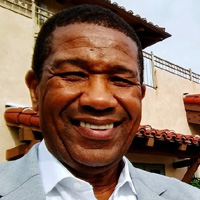 [bctt tweet="“Communication is key. You need to be able to communicate information effectively using the written, spoken, and visual word, and you have to be able to do that through multiple channels.” — Kevin Jackson @Kevin_Jackson" username="toprank"] “Change is constant and change is accelerating. As an influencer or a subject matter expert, your ability to describe and explain the impact of information technology on business and key performance metrics is critical," Kevin explained. "When you communicate, you need to use the industry's vernacular, because that is what will make you unique. Communication is key. You need to be able to communicate information effectively using the written, spoken, and visual word, and you have to be able to do that through multiple channels — mass media, including social media. By being able to communicate well in those different forms across these different channels, your audience will grow rapidly and organically,” Kevin also noted. "It's really important to understand or accept this as a relationship. Not a short term experience, but a long term relationship where the influencer is a valued part of not just the marketing team, but the communications team, and the sales team. You really break free through collaboration and open dialogue with your colleagues and partners,” Kevin added. Learn more from Kevin and see his full interview in "
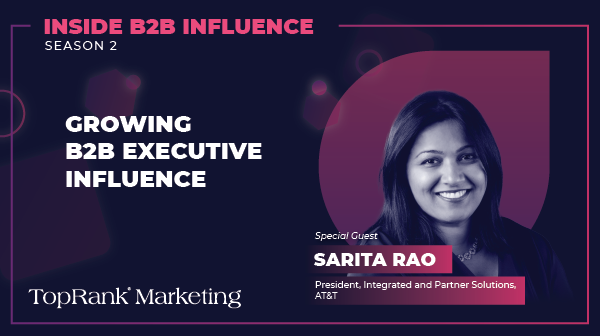


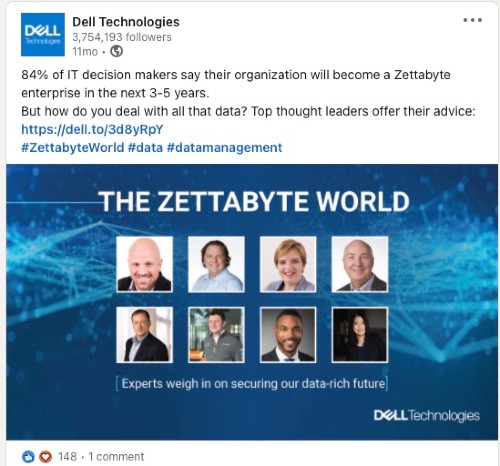 If you start with the most interesting points from the content co-created with influencers in your promotional content on social channels, it will stand-out more for both customers and the influencers.
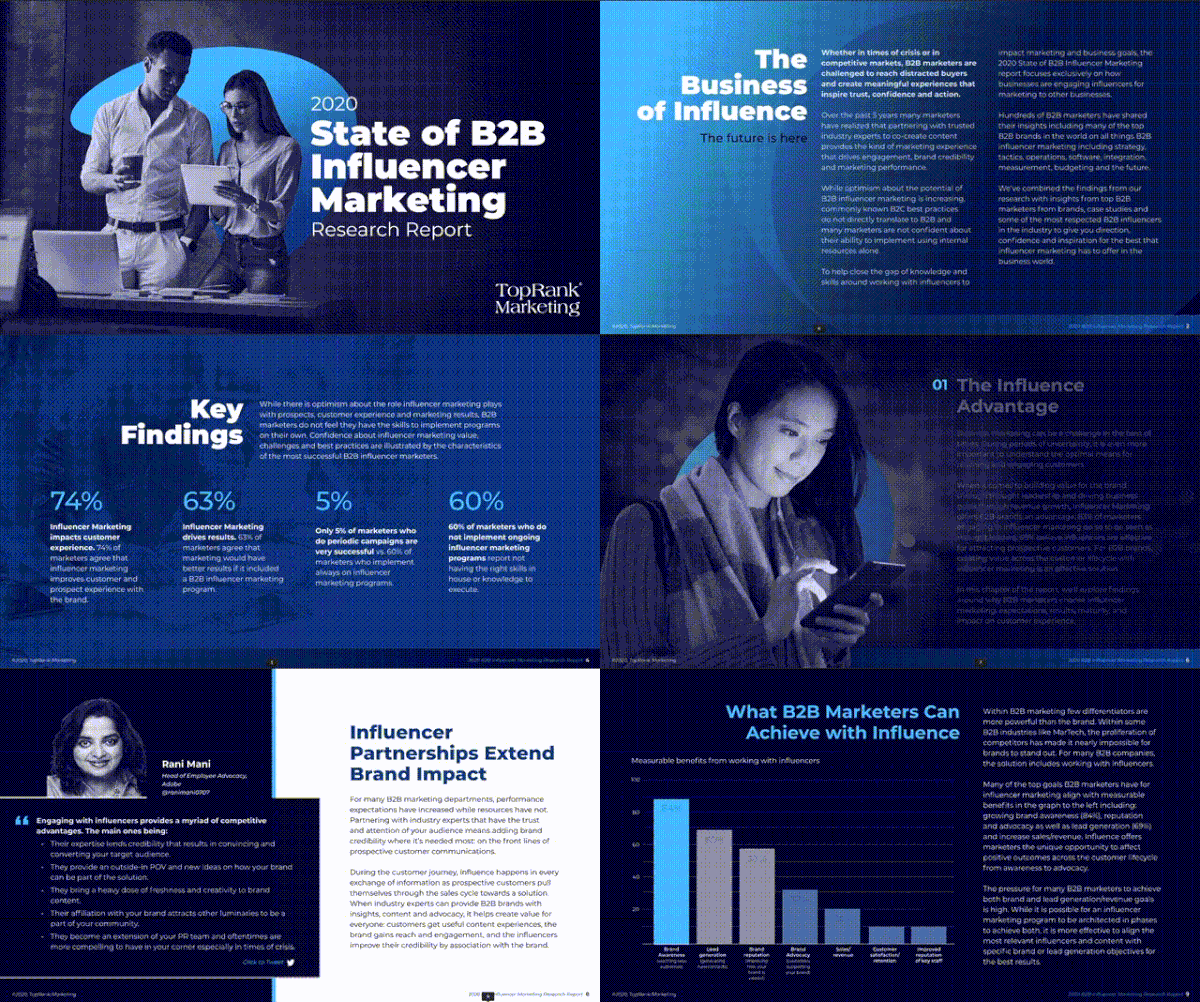
 If you would like to learn about B2B influencer marketing from the B2B brand marketers who are doing it every day, be sure to check out the