As with most marketing, there is no silver bullet to B2B influencer marketing but there are some essential best practices and strategies that have been proven time and time again. To uncover that secret sauce of working with B2B influencers, Episode 12 of the Inside Influence Show features Paul Dobson, Senior Director, Social and Influencer Marketing at Citrix. In addition to a few highlights from the 2020 State of B2B Influencer Marketing report, we discussed Paul's experience working with influencers at Citrix as well as:
- Where influencer marketing fits in the mix at Citrix
- Tips on being great at influencer marketing for a B2B technology brand
- Influencer Marketing vs. Influencer Relations
- The impact of influencer marketing on customer experience
- Advice on starting an influencer marketing program at a B2B brand
- How to get executive buy-in to an influencer marketing program
- How to decide which influencers to work with
- Examples of influencer engagement
- Opportunities to grow influence with B2B brand executives
- How agencies can be most helpful to B2B brands with influencer marketing
- Predictions of influencer marketing in 2021
So, think about what the corporate goals are and then try and work out what you want the influencers to be able to do. For us, it was social amplification to a certain degree, reaching their audiences with content that we're working on together, presenting at events when events still existed and potentially may exist again in the future, and then content generation as well. Part of the benefit of working with influencers is that they have a different lens on what's happening in the world and what's happening with your company. You're giving a different perspective to your audience as well as, as their audiences. That's how we, in a nutshell, started off with the program and then developed and grown from there. What are you most excited about when it comes to working with influencers? Paul: It still is super exciting. I mean, I've been working with influencers now for over 20 years, so it's most definitely something that gets me out of bed in the morning. To the point we were talking about earlier on, your personal career is your own. It shapes how you think and how you react in certain situations. And as a marketer you end up responding, probably subconsciously, to a situation based on those experiences that you've had.Part of the benefit of working with influencers is that they have a different lens on what's happening in the world and what's happening with your company.
But collaborating with influencers to me means that you're able to temper that to a certain degree and the best influencer campaigns, in my view, come from the sparring that goes on between what they think and what you think. And then it kind of comes out to be something in the middle. It helps you grow as a person in your career. What I love most about working with influencers is the kind of range of "aha" moments that you have as you go along. And you work with them to form and build campaigns. Because the plans that you start off with, they kind of wiggle a bit. But you get there in the end and they change ever so slightly based on the interactions that you have with your influencers. What's your preference: influencer marketing or influencer relations? Paul: Most definitely, I would say influence relations. You have to build the relationship with your team of influencers in order to do effective influencer marketing.The best influencer campaigns come from the sparring that goes on between what they think and what you think.
Influencer marketing is a subset of influencer relations because without the relationship, it just becomes a series of tactical campaigns involving somebody else, other than people in your organization. Being able to build out and bring relationships with influencers means it can go anywhere and you can come up with things that you possibly wouldn't even thought about before. You talked about the value of relationships and our research study showed that 12 times more marketers cited themselves as being very successful with their influencer marketing that ran always on programs, relationship-driven programs versus those that were doing intermittent campaigns. So there's ROI in those relationships. Paul: I also think that when you build a degree of familiarity for your audience with the influencers that you're working with, there's a certain comfort that they get from recognizing the people that you work with and the information and the insights that you bring. We're starting in 2021 to incorporate our influencers, not only in the awareness elements, but also further down the funnel as well to make sure that people see them as their journey goes on. Our research discovered that 77% of B2B marketers say that their prospective customers rely on advice from industry experts and 74% agree that influencer marketing improves customer and prospect experience with the brand. Do you find this kind of optimism with Citrix? Paul: I would definitely agree with that. There have been a couple of instances where our influencer program has helped us resonate more with certain audiences that we're trying to connect with. It's reduced the amount of time that would take to strike a chord with a certain audience and build appeal with those audiences that we don't necessarily have a natural affinity with.Influencer marketing is a subset of influencer relations because without the relationship, it just becomes a series of tactical campaigns.
I don't have the statistics in hand, but our brand tracker shows that with a specific audience, we had a much higher unaided recognition in 2020 than we did in 2019. So, it's a great way of building our brand with new and existing audiences. As we become more of a use case focused organization versus pushing product, getting out those use cases and having them explained with a slightly different lens with that third party voice is very valuable to give that viewpoint to our customers. It's proving to be very important. I think the customer events that we had in the Fall, were an example of where we were able to leverage influencers to really give that additional lens to our consumers. Based on your experience with influencer marketing at Citrix what advice can you share for other B2B marketers who are thinking of starting their own program? Paul: So, interesting question. When we started off our formal influencer program above and beyond what we were doing with the press and with the analysts, what we were thinking about is what we were trying to achieve and what our corporate and marketing goals were going to be. For us it was about reaching out to new audiences, showcasing our technology in a way that really correlated with the trends in the market, and educating senior level executives. Traditionally, our technology was seen as a very enterprise and kind of in the guts of the organization. We wanted to make sure that they were aware of the benefits of the technology that they, in some cases, had already bought. That's one thing that really shaped the content aspects of what we were trying to do. Then we wanted to think about when it came to the engagement with the influencer team. We had three things in mind, which was presenting at events virtual or otherwise, creating content and social amplification. When it comes to the execution, think about what it is that you want your influencers to do, Maybe something experiential as where you're going from your organization. Those were the three pillars that we started off with.It [Influencer Marketing] has reduced the amount of time that would take to strike a chord with a certain audience and build appeal with those audiences that we don't necessarily have a natural affinity with.
I think also it's important to not go out too hard with influencers. Don't build a team of like 20 influencers because if you're trying to build a relationship with 20 people all in one go it's, it's not going to be the easiest thing to do. We started off with a program of five to get them off the ground and get really strong results and demonstrate the results that we could build the program on and ask for more funding. Then we wanted to hone in on the areas that we felt were most appropriate for us.Don't build a team of like 20 influencers because if you're trying to build a relationship with 20 people all in one go it's, it's not going to be the easiest thing to do.
The final piece of advice I would give as you get up and running is not to be too prescriptive. I think we talked about some of this before our discussion, the strongest relationships come from the interplay between your in-house team of influencer relations managers and the team of influencers that you build for the benefit of your organization. So, there's gotta be something in it for the the influencers as well. They need to build their business and their brand as much as you need to build your business and your brand. Otherwise, I think you end up with cookie cutter, corporate marketing campaigns and activities that are presented through the lens of the influencer. I don't see the value in necessarily using them as a direct corporate mouthpiece. The value comes from the breadth and variety of opinions and views. To connect with Paul, you can find him on Twitter and LinkedIn. Be sure to check out our previous Inside Influence B2B Influencer Marketing show interviews:The strongest relationships come from the interplay between your in-house team of influencer relations managers and the team of influencers that you build for the benefit of your organization.
- Episode 1: Rani Mani, Adobe - The Value of B2B Influencer Marketing
- Episode 2: Garnor Morantes, LinkedIn - The Power of Always-On Influence
- Episode 3: Ursula Ringham, SAP - Behind the Scenes with Influencer Marketing Operations
- Episode 4: Janine Wegner, Dell Technologies - Thought Leadership and B2B Influence
- Episode 5: Jen Hotlvluwer, Spirion - Award Winning B2B Influencer Marketing
- Episode 6: Amisha Gandhi, SAP - The Power of Mutual Value for Influencer Marketing
- Episode 7: Pierre-Loïc Assayag, Traackr - Maximizing Marketing ROI with Influencer Technology
- Episode 8: Srijana Angdembey, Oracle - How Influence Creates Better B2B Customer Experiences
- Episode 9: Brian Solis, Salesforce - How B2B Influence Adds Value to Business Customers
- Episode 10: Ryan Bares, IBM Systems - Growing Influence Inside B2B Brands with Employees
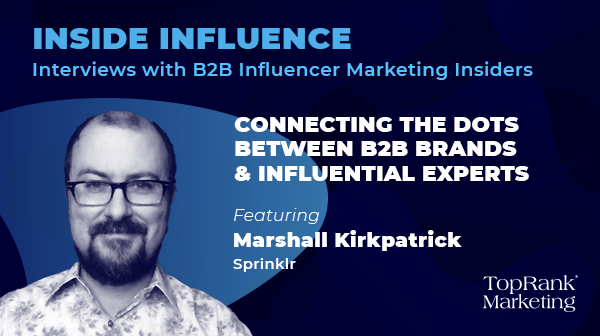
- Episode 11: Marshall Kirkpatrick, Sprinklr - Elevating B2B Content with Influencers
The post Inside Influence 12: Paul Dobson from Citrix on The Secret Sauce of B2B Influence: Authenticity appeared first on B2B Marketing Blog - TopRank®.


 Bing Webmaster Tools adds Microsoft Clarity integration Microsoft's Bing has enhanced its Webmaster Tools feature set with a new update that has made it easier to access Microsoft’s Clarity web analytics tool and its features, and has made it more straightforward to add the functionality to websites, Bing recently announced.
 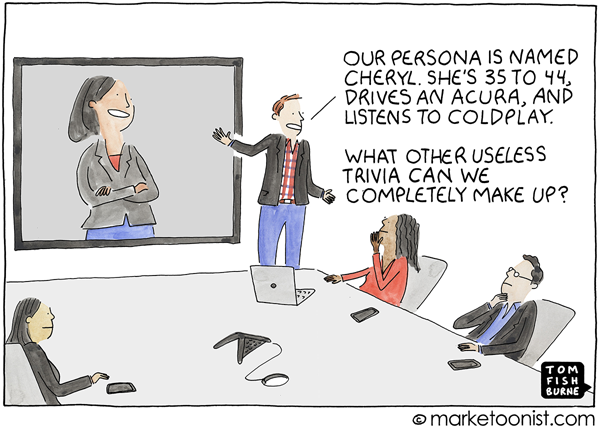 A lighthearted look at “creating personas” by Marketoonist Tom Fishburne —



 YouTube upgrades Premieres with trailers, themes and a live pre-show option Google-owned YouTube has augmented its video Premieres function with several new features including live-chat sidebar communication, video trailer previews, and a Live Redirect live pre-show streaming option, YouTube recently announced.
  A lighthearted look at “consumer privacy comeback” by Marketoonist Tom Fishburne —


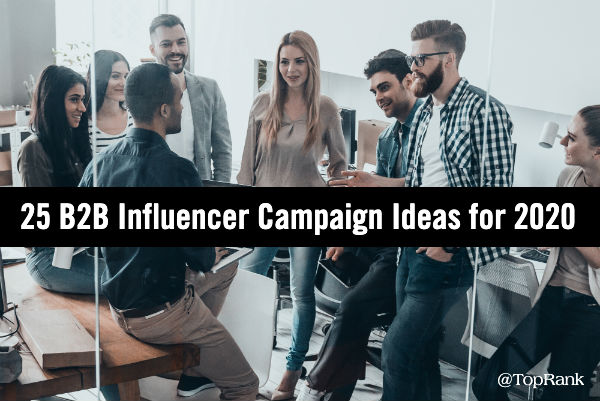 Lee also wrote our second most popular influencer marketing post of the year, offering up 25 inspiring B2B influencer marketing campaign and engagement ideas. As Lee noted, "Implementing just a few of these could help a company with a substantial amount of influencer program activity," which is why this article has seen significant traffic and why its campaign ideas have had continued implementation among the B2B marketing community. From conducting a series of video interview with influencers or engaging an influencer host on a brand podcast, to inviting influencers to provide content for an interactive content experience, Lee dishes out a vast array of B2B influencer marketing campaign ideas to infuse your own efforts, whether you have an established strategy in place or are just
 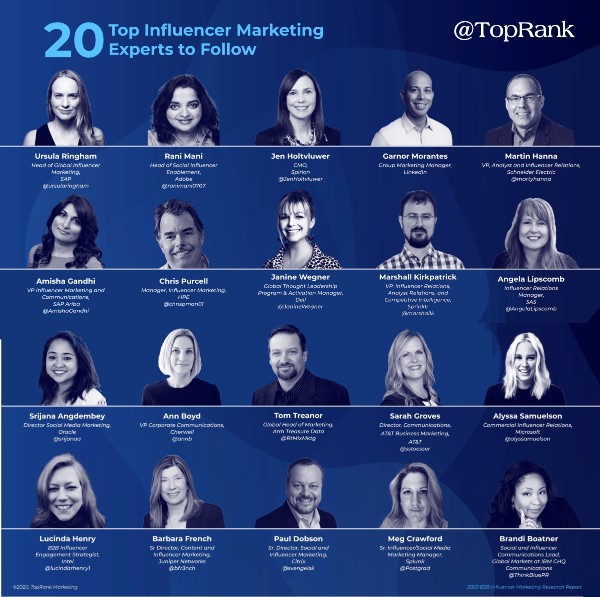 With a stellar group of 20 top influencer marketing professionals to follow and learn from, our third most popular influencer marketing article of the year was also penned by Lee, and together he and industry experts including Ursula Ringham of SAP*, Rani Mani of Adobe*, Jen Holtvluwer of Spirion*, Garnor Morantes of LinkedIn* and 16 others explore both the significant optimism and many unrealized opportunities influencer marketing offers for B2B companies. [bctt tweet="“B2B brands that build relationships to co-create content with industry voices can integrate influence with thought leadership to build the authority and influence of brand employees.” — Lee Odden @LeeOdden" username="toprank"]
 In the fourth most popular influencer marketing post of 2020, I shared top predictions for 2021 from 14 industry expert including Ann Handley of Marketing Profs, Brian Solis of Salesforce, Ryan Bares of IBM Systems, Judy Tian of LinkedIn, and many others. This article gives you helpful expert takes on what B2B influencer marketing will look like in 2021, and where it is most likely to take B2B marketers and brands when a post-pandemic world eventually arrives. Check out all of my posts
  What are the 5 key traits of the best B2B influencers? Popularity isn't enough, and in our fifth most popular influencer marketing post of the year Lee shares how top B2B influencers also use proficiency, personality, publishing, and promotion to drive measurable business goals. Featuring seasoned influencer marketing leaders including Brian Solis, Tamara McCleary of Thulium, CTO advisor Keith Townsend and others, Lee's post reveals how mismatched expectations are not helpful for anyone, and encourages readers to think about the 5 Ps to evaluate and nurture your own influencer community, and to consider where of each ideal influencer needs to score on the 5 Ps in order to be a good match for the kind of activation you've got in mind. [bctt tweet="“Understanding what makes a great influencer is both art and science, soft and hard skills. The success of identifying, qualifying and engaging influencers is also directly tied to how they will be engaged and to what end.” — Lee Odden @LeeOdden" username="toprank"]
 With 24 essential B2B influencer marketing statistics, in our sixth most popular post of the year I wrote about the compelling story statistics are able to tell — one of trust-building, credibility, and the more personal touch that influencers are able to offer brands. Even if you’ve already developed an influencer marketing strategy, the wealth of information coming out about its power to build trust and inspire action has grown, as shown in this collection of 24 significant B2B influencer marketing statistics to strengthen your future campaigns. [bctt tweet="“Implementation of influencer marketing has grown not only among pure B2B marketers, but also in the marcomm sector, where 67 percent of global marcomm professionals see influencer marketing as being within their scope.” @lanerellis" username="toprank"]
 Can you guess which three marketing tactics will outlast the pandemic? Make a mental note, and check out Lee's insightful list of three enduring B2B marketing tactics in our seventh most popular B2B influencer marketing posts of the year. As Lee notes, "The challenge many B2B marketers are facing is to understand how to navigate both the short term changes in what works for customers in the current environment as as well as in the long term, post-crisis," an assessment that may be even more relevant as we move ahead into 2021. [bctt tweet="“How buyers feel about B2B brands short and long term will directly contribute to which brands are the most relevant as budgets open up and business solutions investments experience substantial growth.” — Lee Odden @LeeOdden" username="toprank"]
 What's the difference between B2C and B2B influencer marketing? Plenty, as Lee shows in our eighth most popular post, including why seeing B2B influencers as only content distribution channels or advocates for hire is a misplaced B2C-centric expectation. Lee digs in to how influence plays a role across the entire business customer life-cycle — from awareness to advocacy — and how the best approach to collaborating with B2B influencers also spans the spectrum of customer engagement. [bctt tweet="“It’s important to look at B2B influencers as partners not just content creators or distribution channels.” — Lee Odden @LeeOdden" username="toprank"]
 In our ninth most-popular B2B influencer marketing post of the year, I ask why top B2B brands LinkedIn, Adobe, Dell Outlet*, RateLinx* and AT&T* are using always-on influencer marketing, and share helpful examples from each of these companies. I also take a close look at how B2B influencer marketing drives brand authority and increases trust and engagement, especially during uncertain times. [bctt tweet="“Always-on marketing replaces on-again off-again campaigns with a fluid ongoing effort, continually cultivating and carefully building efforts that allow businesses to seamlessly adapt their marketing efforts.” — Lane R. Ellis @lanerellis" username="toprank"]
 How can B2B marketers replace the benefits lost due to cancelled real-world events? B2B influencer marketing is an ideal way for brands to drive digital conversations during the global health crisis, and in the tenth most popular influencer marketing article of the year, I share 13 key benefits for brands, including insight from Brian Solis, author Bernard Marr, Tom Treanor of Treasure Data*, and members of our own team including Lee, our president and co-founder Susan Misukanis, account manager Elizabeth Williams, influencer marketing strategist Debbie Friez, and others. [bctt tweet="“During this global shift to a digital-first customer experience, marketers who incorporate empathy into their efforts are especially well-poised to deliver successful virtual experiences.” — Lane R. Ellis @lanerellis" username="toprank"]
