Tuesday, February 18, 2020

5 Key Traits of the Best B2B Influencers

Traits B2B Influencers

Traits B2B Influencers Marketers are still asking, what is B2B influencer marketing? Here’s a definition I’ve been using over the past 5 years or so:
B2B influencer marketing is activating internal and external subject matter experts with engaged networks to advocate and co-create content of mutual value that drives measurable business goals.
As the groundswell around influencer marketing rises and becomes a normal part of the B2B marketing mix, the volume of information and misinformation on the topic also increases. One of the most popular questions people also ask about B2B influencer marketing focuses on what makes a good business influencer? By now we all know that popularity alone does not make someone influential. It’s certainly important, it's just not the only thing. As B2B marketers mature in their understanding of the role influence plays and how the dynamic of brand content co-created with industry experts plays out with customers, they begin to realize that other factors matter. Topical relevance matters of course as well as resonance of the topic amongst an influencer’s community. B2B Marketing Influencers The intersection of individual expertise, how well that expertise resonates with followers and the size of network creates a baseline of characteristics when evaluating whether a certain influencer might be a match. But there’s more than that. Understanding what makes a great influencer is both art and science, soft and hard skills. The success of identifying, qualifying and engaging influencers is also directly tied to how they will be engaged and to what end. Some people reading this might think that influencer marketing isn’t the magic pill some are playing it up to be. There’s a reason for that, because it’s not magic. It’s more like alchemy. The reality is, there’s no one formula for the perfect B2B influencer, but there are some common characteristics that B2B brands should look for in varying proportions according to what’s important to a program or activation. I call those characteristics:
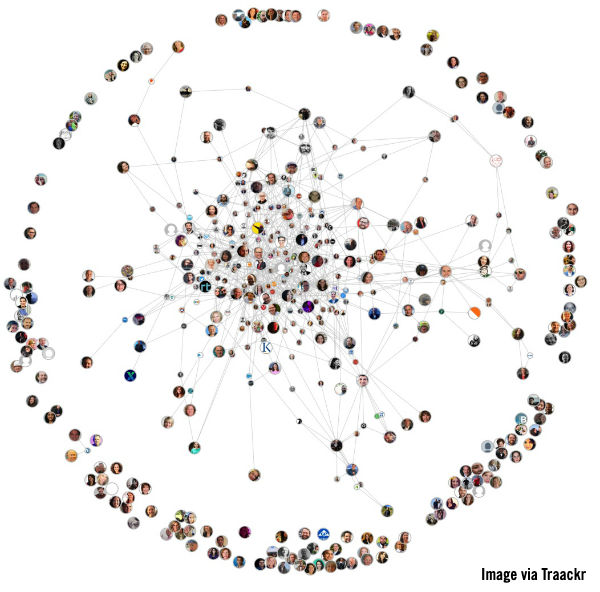
The 5 Ps of B2B Influence

Proficiency - In B2B marketing, the vast majority of those considered influential possess deep expertise in the field they work in. This is a significant difference from many B2C influencers who are often self proclaimed as influential with clever media creation skills. As B2C influencer content and engagement tactics evolve, some are crossing over into B2B with a trickle of opportunists successfully creating influence amongst B2B audiences not solely for their expertise, but for a combination of adept social media content creation skills and some expertise. B2B marketers who do their due diligence will be able to filter accordingly. Popularity - While network size is not the only thing, nor is it the most important thing, it is definitely a metric to consider. Some marketers swing in the direction of ignoring audience size altogether because of lower engagement rates with popular influencers. This is simply foolish. All things being the same, I’ll take 2% engagement of an influencer with a million followers over 2% from someone that has 1,000 followers. What matters is how network size factors in with the type of influencer you need. For example, popular influencers aka “brandividuals” are often best for top of funnel content. Niche domain expert influencers are better for middle and end of funnel content. Engaging a brandividual and expecting conversions is just naive. Personality - If you’ve worked in B2C influencer marketing and been exposed to all the characters there, B2B is going to seem a bit dry. Now there are some colorful characters in the B2B influencer community, no doubt. But personality is often a trait that needs to be uncovered when you’re working with some types of business influencers. The good news is that savvy influencer marketing practitioners know how to plant the seeds that can grow and blossom within an otherwise introverted influencer. You don’t need them to be a colorful character, ripe with personality per se, but you do want them to connect with the passion they have with their craft and how their expertise can help others be successful. Publishing - Content is the media that conveys the ideas of influence and while B2B influencers are not expected to produce the same types and quantity of content as in B2C, it is ideal when there’s a platform where the influencer publishes. At a minimum, that would be social networks but to be a B2B influencer, it’s most likely that also includes articles contributed to publications if not research, books and presentations. Promotion - The value a B2B influencer brings beyond adding expertise and credibility to brand content is the ability to share what they helped create with their network. Trust of brand content is at a low, especially with advertising. Customers yearn for authentic content and the right kind of influencer collaboration can give them that, delivered via the influencer’s own distribution channels. That means social networks for course but also potentially blogs, email newsletters, podcast, LinkedIn Live, contributed articles or columns in industry publications. I know some people reading this are thinking there could be even more P’s like being Prolific, Persuasive or Passion. Yes, there could be so many more but we have to draw the line somewhere! It's important to be able to manage the data and insights necessary to factor these characteristics into selection, qualification and engagement. Some of these traits will not fully reveal themselves until you work with an influencer on a few content activations. Others will fluctuate over time and that is normal. It's important to understand that influence is a temporal thing. It is not fixed or permanent. It’s important marketers realize that before they disengage an influencer in the short term due to lower performance. The same goes for high expectations after great performance. Organic influencer engagement is a little dynamic and what you don’t spend on paid influencers like an ad buy you will (in part) need to invest in relationship management, education and even tips that will help the influencers be more effective. B2B brands with high influencer churn or low performance often apply “ad buy” perspectives to a what is actually a relationship driven effort. Mismatched expectations are not helpful for anyone, so think about the 5Ps as you evaluate and nurture your influencer community. Consider where of each your ideal influencers need to score on the 5 Ps in order to be a good match for the kind of activation you have in mind. When there’s 5P alignment, there's happiness: for customers, influencers and your B2B brand.

The post 5 Key Traits of the Best B2B Influencers appeared first on Online Marketing Blog - TopRank®.

Friday, February 14, 2020

Digital Marketing News: Record Influencer Spending, Google’s Gmail Shopping Ads, Pinterest’s Verified Merchant Program, & Twitter Engagement Stats

2020 February 14 MarketingCharts Chart

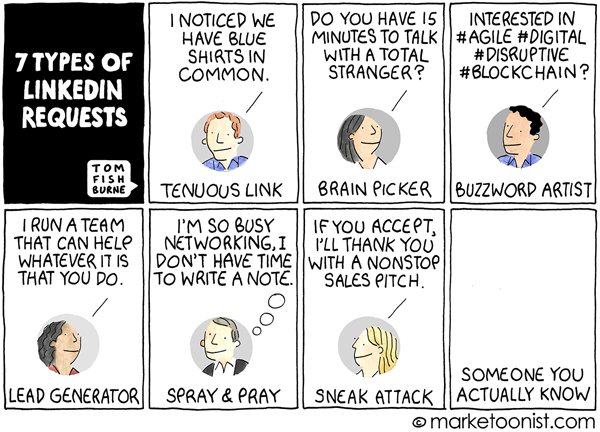
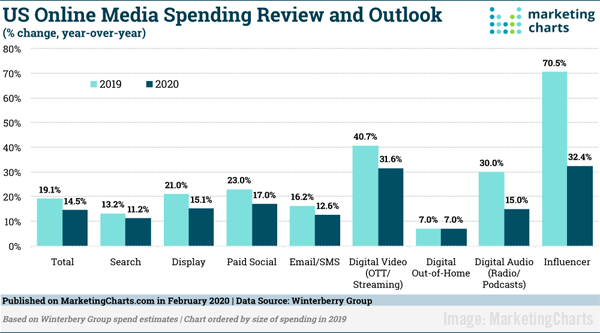
2020 February 14 MarketingCharts Chart Facebook Adds 'One-Time Notification' API to Messenger for Business Facebook has given marketers new options for contacting consumers who have agreed to notifications, with the release of an API token system that will enable expanded brand-to-customer contact choices, the social media giant recently announced. Social Media Today Twitter says ad tech and product updates will improve direct response advertising Twitter saw fourth quarter advertising revenues climb by some 12 percent to $885 million, with monetizable daily active users (mDAUs) up 21 percent to 152 million, and pointed to several updates that it expects to continue bringing better direct-response ad revenue, the firm recently reported. Marketing Land Top Twitter Stats for 2020 [Infographic] Twitter's ad engagement rates rose by 23 percent, with video ads on the platform coming in some 50 percent cheaper in cost-per-engagement, two of many statistics of interest to digital marketers contained in recent Hootsuite infographic data. Social Media Today Facebook Is Killing Off Its Web Supply In Audience Network – And Don’t Be Surprised If It All Shuts Down Facebook has announced that it is phasing out mobile web publishers in its Audience Network. Shuttering one of its low-performing formats may have been driven by the shift away from browser cookies, as Facebook and other social platforms look to alternate forms of ad tracking. AdExchanger Pinterest shares surge as revenue, user adds beat estimates Pinterest announced fourth-quarter revenue increases up 46 percent to $400 million and an accompanying 26 percent increase in monthly active users, as the image-focused platform also announced plans to launch its own Verified Merchant Program. Reuters New Research Shows Facebook Still Holds Sway With Millennials and Gen Z [Infographic] Facebook has remained the most popular social platform among Millennials, with some 77 percent using it daily, while 64 percent of the demographic have their purchasing behavior influencer by the YouTube influencers they follow — two of several statistics of interest to digital marketers in newly-released survey data. Social Media Today  February 14 Statistics Image Google is Expanding Shopping Ads to Gmail Google announced that it plans to offer a new variety of ads targeting Gmail users. Beginning March 4, Google's Product and Showcase Shopping ads will get the ability to run on Gmail, the search giant recently revealed. Search Engine Journal 56% of marketers think AI will negatively impact branding in 2020, study says The effect artificial intelligence (AI) has on branding is largely seen in a negative light, with 56 percent of marketers expressing fear that the technology could lead to the loss of jobs and lower creativity, while an even higher number — 77 percent — also expressed at least some level of concern over the use of AI with branding efforts. Marketing Dive Instagram Adds New Listings of 'Least Interacted With' and 'Most Shown in Feed' in Following Tab Instagram's "following" section received a new listing that shows those accounts a user interacts with the least, the Facebook-owned platform recently announced. The new interaction data could help digital marketers discover those users prime for increased engagement efforts. Social Media Today US Online Media Spend in 2019 and the Outlook for 2020 Continuing on from a strong 2019 online media spend of $145.3 billion in the U.S., 2020 is expected to top $166 billion, an increase of more than 14 percent, along with a record $3.4 billion for influencer spending, according to new forecast report data from MarketingCharts. MarketingCharts ON THE LIGHTER SIDE: 2020 February 14 Marketoonist Comic A lighthearted look at 7 types of LinkedIn requests by Marketoonist Tom Fishburne — Marketoonist The 10 Best Super Bowl Ads of 2020 — Adweek TOPRANK MARKETING & CLIENTS IN THE NEWS:
  • Nick Nelson — What’s Trending: It’s the Thought that Counts — LinkedIn (client)
  • Lee Odden — How To Curate Social Media Content Like A Professional — Three Girls Media
  • Lee Odden — Best Practices for Buyer Personas, Influencer Marketing, and Demand Generation in 2020: Key Takeaways from the Digital Branding Summit — Webbiquity
  • TopRank Marketing — 30 B2B Content Marketing Statistics Everyone Needs to Know — Trade Press Services
Do you have your own top B2B content marketing or digital advertising stories from the past week? Please let us know in the comments below. Thank you for taking the time to join us, and we hope you will return again next week for another selection of the most relevant B2B and digital marketing industry news. In the meantime, you can follow us at @toprank on Twitter for even more timely daily news. Also, don't miss the full video summary on our TopRank Marketing TV YouTube Channel.

The post Digital Marketing News: Record Influencer Spending, Google’s Gmail Shopping Ads, Pinterest’s Verified Merchant Program, & Twitter Engagement Stats appeared first on Online Marketing Blog - TopRank®.

Thursday, February 13, 2020

5 Ways to Humanize B2B Content Marketing

Humanizing B2B Content Father and Son Cooking Together Image

Humanizing B2B Content Father and Son Cooking Together Image “You’ve really got to put yourself out there. Don’t be too stiff.” “Be honest and sincere!” “Be vulnerable and relatable… and it doesn’t hurt if you can make ‘em laugh.” Is this advice for a middle-aged man trying online dating for the first time? Or is it advice for B2B marketers? Given the proximity to Valentine’s Day, can’t it be both? The point is, as good as this advice may be for marketers, it’s as vague as it is omnipresent. We talk about “person-to-person” marketing and “humanizing the brand.” But what does it really mean to humanize a brand?  [caption id="attachment_28012" align="alignnone" width="474"]Michelin Men Original Costumes Yes, these were the original Michelin Tire mascots.[/caption] In some cases, apparently, it means high-octane nightmare fuel. So, maybe don’t try and make an adorable mascot for your software-as-a-service solution. Here are some better ways to “humanize” your B2B content.

5 Ways to Humanize B2B Content Marketing

It can be hard to bring out the humanity in B2B content, especially when your product is intangible. Not many folks feel a warm sense of empathy with a cloud-based data solution. You can’t take adorable Instagram photos of happy customers cuddling with your supply chain logistics platform. That just means that B2B content marketers have to be more creative than even our B2C counterparts. 

Get Real about Personalization

We all know there’s a fine line between being personal and being overly familiar. But we have to find that sweet spot between, “Hi, [firstname]” and “Hey Bob Johnson, 42, who ate a hamburger for lunch, how was your recent prostate exam?” For B2B marketers, think more about smarter segmentation and less about personalizing on the individual level. As Ardath Albee (persona expert extraordinaire) puts it, “In B2B, we don’t need to know their shoe size and we don’t need to talk about their gender. We don’t need to know they live in the suburbs and have a wife, two kids, and a dog, and they drive a red Corvette.” What we do need to know are the general challenges and aspirations people with a specific job title in a specific industry might have in common. Then we can customize content to suit their job-related needs — even the ones that don’t relate directly to the product. 

Find the Emotional Core

It’s hard to imagine someone getting emotional about a B2B product — jumping up and down with excitement, wiping away tears, or eagerly unboxing the latest model. For B2C, the product itself might inspire these emotions. For B2B, the emotion comes in at a different angle. It’s not about the solution itself — the emotion comes from what the solution can do. For example, the product may be a software solution that enables automation. The emotion comes from an employee who is able to finally leave work on time to be at home with their family.  Or it’s the thrill of earning a promotion with the help of a new analytics tool. Or the intertwined hope and anxiety of starting your own business, using a web hosting platform to launch your first site.  [bctt tweet="“Find the emotional stories that your solution makes possible, and make them the star of your content.” @Nitewrites " username="toprank"]

Design a Content Experience

We know that valuable, best-answer content is the minimum for reaching an audience. That’s the new table stakes.  But B2B marketers are frequently accustomed to no-frills, straightforward presentation for all that thoughtful content. It’s called a white paper, after all, not a plaid paper. But when we’re thoughtful about the content experience, we can show off the brand’s creativity and personality, while at the same time showing respect for the audience. Think about turning a long-scrolling asset into a beautiful and unique interactive experience. Or that series of interview posts into a long-form video series. Content experience is all about telling your audience, “Hey, we know that people need to be entertained. We’re people, too! So we made this not only useful, but also beautiful to look at and fun to play around with.” 

Earn Trust By Asking for Help

I know, it’s tempting to present your brand as the alpha and omega, be-all and end-all source of all knowledge. If your wisdom isn’t absolute, why would people trust you as an authority? But the truth is, humility builds credibility more than the most dazzling display of knowledge does.  It’s called the Ben Franklin effect: When you help someone, you tend to like them — even more than if they helped you. So, give your audience an opportunity to help you out.  Ask questions that you genuinely want to hear answers to. Engage with their responses, ask more, let their expertise drive an ongoing conversation. This type of engagement accomplishes multiple goals:
  • Your audience gets to show off their expertise
  • Even those who don’t participate can now see themselves in your content
  • Your brand becomes relatable and interactive
  • You might actually learn something that can drive your next big idea

Involve More Actual Humans in Content

Brands don’t create content; people do. But frequently we hide the human content creators behind the monolith of the brand. If we’re trying to connect with people on a personal level, we’ve got to let the people shine through. That means giving employees and executives alike a voice in your content. But don’t stop there: Feature your customers and prospects, too.  Think about including influencers in your content as well, and not just as a one-off. Yet another of the endless perks of influencer marketing is that humanization of your brand. Influencers add credibility and prestige to content, but don’t overlook how they add personality, humor, and humanity, too.

Embrace Your Human Side

As a creative writer with a weird sense of humor, I’m incredibly lucky to be in marketing right now. Just a decade ago, B2B marketing would have driven me insane by my third dry-as-dust eBook. There’s only so many times you can write about “utilizing and leveraging synergy” in third-person passive voice before the gears start to slip. Fortunately, B2B content marketing has finally caught up with B2C in terms of creativity, emotional import, and essential humanity. We have “permission” to do it right — so what are we waiting for? Humanize your brand with some great influencer content this year: Here are 25 ideas to get you started.

The post 5 Ways to Humanize B2B Content Marketing appeared first on Online Marketing Blog - TopRank®.

Wednesday, February 12, 2020

31 DIY Marketing Tools To Create Remarkable Experiences

Workbench wall full of various tools for handcrafted work image.

Workbench wall full of various tools for handcrafted work image. Sifting through thousands of available tools is a hit and — more often than not — a miss proposition, but we’ve got you covered with 31 do-it-yourself marketing tools that are perfect for helping you create remarkable campaign experiences. It can be overwhelming even deciding which new tools to start trying out to see if they’re helpful, so to jump-start your marketing efforts in 2020 we’ve gathered a varied selection of innovative and helpful tools that can significantly enhance your marketing efforts. These tools come from a varying array of categories useful to digital marketers, from artificial intelligence (AI) content analysis bots and data manipulation utilities to video and image manipulation — a smorgasbord of helpful software that is unified in that each tool can provide immediate improvements to your marketing campaigns. Some tools are free and many offer free trials to test out and see how they mesh with the way you like to work and your particular needs. [bctt tweet="“Giving people legitimate value before asking them to pay can be a really useful strategy for any company wanting widespread adoption.” — Melanie Perkins @MelanieCanva" username="toprank"]

From Influencer Tools To Data Discovery Utilities

The software, tools, and online image creation apps most-used by Instagram influencers have been outlined in a recent survey of more than 1,200 influencers on the platform, with results showing that just 10 percent use the once-ubiquitous Photoshop, nearly 30 percent now use Lightroom, and some 4.8 percent regularly work with Canva, according to the study. Even as far back as when I operated a 300-baud bulletin board system in the 1980s, it was difficult to keep up with the astounding number of new software tools developers programmed. It was then when my love of categorizing things took off, and I broke my sizable online freeware and shareware tool offerings into dozens of specific categories. For this list, however, we've stuck with three basic categories for marketers. Let’s jump right in and start examining our collection of 31 tools to ramp up your content marketing experiences.

Data & Information Analysis Tools

These data and information analysis tools let you visualize and work with data in new and insightful ways, along with exploring the power and limits of search engine optimization (SEO), and with the record levels of data marketers have access to today, assistance in making sense of those terabytes of information can come as a welcome relief. Keylime Toolbox — Marketers struggling to find search queries that are normally hidden from discovery in Google Analytics as "not provided" can uncover this helpful information using Keylime Toolbox, which also offers a number of SEO-related data reports useful to digital marketers. Vennli — A content intelligence platform, Vennli lets marketers dig in to customer data and pull out a wide range of insightful content to explore the world through a client or customer's eyes, using real-time data gathering and a slew of visualization options. SEODataViz — Generate topic ideas for both relevant content creation and SEO keywording efforts with SEODataViz, a tool that helps marketers visualize information and break it down into manageable segments, among others features. Talk to Transformer —  How well do today's neural networks perform when it comes to type-ahead and content prediction? With the Talk to Transformer artificial intelligence (AI) content completion bot, marketers can explore a wide range of activities from translation to question research. [bctt tweet="“When done thoughtfully, data visualizations have the power to change perspectives, far more quickly than a spreadsheet or bullet points on a slide.” — Alexis Hall @Alexis5484" username="toprank"]

Image & Video Manipulation Tools

The digital marketing world of 2020 is undoubtedly more visually-focused and experiential than ever before, and the tools and utilities to create images and video that stand out and which make people take notice are a valuable asset in your marketing tool-kit. We recently explored this trend in "What B2B Marketers Need to Know About Experiential Content." BuzzSumo YouTube Analyzer — A new YouTube video analysis tool from popular content research platform BuzzSumo, offering a variety of video performance data for the world's most popular video platform. Kapwing — Kapwing's platform gives marketers tools to create images, videos, and GIFs, with specialty resizing video features for popular social network formats, and more. Rocketium — Offering both video and still image manipulation at scale through an API, Rocketium's tools also bring text and images to video content, and the ability to turn blog posts into motion-rich formats. Tubebuddy — This YouTube-oriented browser extension-based tool lets marketers dig deep into video keyword research, build bulk cards, annotations, descriptions and thumbnails, along with a variety of video management features. Plotaverse — The suite of tools from Plotaverse features motion and animation art creation along with digital sharing and numerous other video and image features to bring your visuals to life. Easil — A do-it-yourself design tool for individuals and teams, Easil focuses on drag-and-drop ease-of-use for brand marketers, with features that allow you to implement brand restrictions to keep visual content uniform, along with resizing, automatic complementary color recommendations, brand kits, and plenty of templates. Pixlr — Pixlr brings AI-powered smarts to make professional online photo editing easier through smarter tools, and includes a large collection of image-related digital assets. Fotor — I've used Fotor for years to quickly build image collages, and with over 300 million users this online photo and design tool brings with it an array of handy design tools with easy social platform formatted output. Canva — Since arriving on the Web graphic-design scene in 2012, Canva has seen its numerous creative tools adopted by more professionals every year, with company valuations hitting $2.5 billion in 2019, and the Australia-based firm also made our list of “5 Top B2B Brands Mastering Facebook Engagement,” with its easy to use online design tools running the gamut from icons to infographics. Visme — Visme's  tools focus on the creation of professional presentations and infographics in a design environment that seeks to turn boring data into visually engaging stories. Easelly — Offering one of the most straightforward interfaces for turning text-based content into visually pleasing infographics, Easelly has templates for timelines, comparisons, reports, and processes. Streamyard — Bringing a full-fledged live-streaming studio of tools into a browser is a tall task, and StreamYard has met the challenge allowing screen-sharing, broadcast branding, direct sharing to popular social platforms, video interviews, plus a slew of built-in options for making and growing audience connections. EzGIF — EzGIF's tool specializes in making, resizing, cropping, and optimizing animated GIF images, with features to turn video into GIFs, add text, apply filters, and split existing GIFs into separate new images, among numerous other functions. ClipScribe — Today'sB2B marketers face audiences that increasingly interact with consumers who have their sound muted, and ClipScribe offers a variety of social media video captioning options in multiple formats, plus countdowns, blog export and headline design features, along with branding options. Snapseed — An Android and iOS app from Google-owned Nik Software, Snapseed offers a wide variety of photo enhancement and digital filtering features that can help DIY marketers bring their content to life. VSCO Cam — VSCO Cam's Android and iOS app lets users work with an impressive array of photo filter and editing functions. FaceTune — One of the more popular apps for editing portraits and selfies, FaceTune brings hundreds of selfie-oriented filters, from a firm that also offers its Swish video tools. Picsart — Picsarts allows marketers to create collages, edit images, and draw using layers with an easy-to-use app that is also backed by an active social community. A Color Story — A Color Story allows marketers to add newfound levels of color to images and videos with its powerful editing and enhancing app. Typorama — Typorama offers a swift and handy app for quickly building typographic designs from plain old text and photos. InShot — InShot's popular app is tailored to making it easier to edit video and add music, along with a variety of other video-specific tool features. Splice — Splice's app allows marketers to harness the power of mobile devices to edit video on-the-go, an emerging technology that is finally coming of age. [bctt tweet="“Images, video and even interactive content are a big part of the shift towards creating more engaging experiences that go beyond informing B2B buyers about solutions, but connecting with them on an emotional level.” @LeeOdden" username="toprank"]

Additional Useful Tools For DIY B2B Marketers

Clever programmers are always coming up with fascinating new problem-solving methods, often creating tools than don’t fit squarely into just one category. From social media management to tools for finding out the questions people are asking, we have this type of tool in the following group of helpful do-it-yourself marketing tools. SparkToro — SparkToro, currently in beta-testing stage, offers a helpful array of audience intelligence tools and accompanying resources that allow marketers to easily track and reach the most relevant audiences. Sendible — Sendible brings brand amplification and social media management together in a set of collaborative tools from scheduling to advanced reporting. Drift Chat — Reaching customers when you and your customers are both on the move is the specialty of live chat app Drift Chat, allowing advanced features such as mobile device video recording and team collaboration. Audioburst StudioPodcasts are booming for marketers B2B and B2C alike, and Audioburst Studio allows marketers to improve user engagement through real-time audio playlists and content, from creation through launch. Focalmark — Focalmark's  hashtag analysis tools offer a ranked look at the reach and authenticity of Instagram hashtags, among other hashtag insights. Unfold — As a bonus 32nd tool, Unfold's Instagram Stories-specific app is aimed at building engaging messaging using a variety of unified filters and effects. [bctt tweet="“How can you be the best answer for your audience if you don’t understand what questions they’re asking or what problems they’re trying to solve?” — Lane R. Ellis @lanerellis" username="toprank"]

Be A Marketing Magician With The Tools You Use

via GIPHY While the tools we use to produce the content and digital assets we share online in our marketing efforts are certainly important, don’t lose sight of the fact that even the ideal utility can still be used to make truly poor experiences if not used smartly. The experience, creativity, and insight of the person using any tool is key to creating top output, and it's when a savvy individual is using the perfect tool that true marketing magic happens. While by no means complete, we hope this list helps you discover new tools and ultimately leads to creating more engaging B2B marketing efforts. Finally, here are additional articles we've published covering even more helpful tools for B2B content marketers:

The post 31 DIY Marketing Tools To Create Remarkable Experiences appeared first on Online Marketing Blog - TopRank®.
Tuesday, February 11, 2020

25 B2B Influencer Marketing Campaign & Engagement Ideas for 2020

B2B Influencer Marketing Campaign Ideas

B2B Influencer Marketing Campaign Ideas In the business world, you don't have to look far to see that the number of B2B companies engaged with influencer marketing is growing. As more companies are moving beyond experimentation to conducting pilots, sequential campaigns and always on programs, there is an increasing desire to expand how brands engage with business influencers. To help B2B marketers solve that problem, I'm going to share a swipe file of sorts of different business influencer campaigns and engagement opportunities. Implementing just a few of these could help a company with a substantial amount of influencer program activity. Of course just because you can, doesn't mean you should! As with all effective marketing, it's important to match up the campaign approach with the criteria for your customers and how they want to engage with influencer/brand content.  Check out the list below and hopefully some good ideas will spark and ignite your 2020 B2B influencer marketing to new levels.

25 B2B Influencer Marketing Campaign and Engagement Ideas for 2020

1. Conduct a series of video interview with influencers - Pick a theme and topics you want your brand to be influential about, then interview the top experts. The Break Free B2B interview series is a good example of that. The great thing about video is that you can repurpose as a podcast or even as text for social shares and quotes for related blog posts, presentations, reports and newsletters. 2. Engage an Influencer host on a brand podcast - @TamaraMcCleary does an amazing job for the SAP Tech Unknown podcast, interviewing other influencers and executives from SAP. 3. Invite Influencers to provide content for an interactive content experience - Of course we've been specialized in this form of content collaboration for many years and have numerous examples. The interactive content format is engaging for your audience and also for contributing influencers because it elevates their status and visibility. One of my favorite examples of this is this microsite featuring 10+ influencers and a simulated voice assistant named Penny, who helps you navigate the world of finance, machine learning and AI. 4. Publish a list of top influencers in each industry vertical where you operate - Many companies want to begin developing an influencer program but have no meaningful connections with influencers yet. One of many ways to get on influencers' radar is to publish a qualitative list of who is leading the field. Then reach out to share the honor followed by an invitation to collaborate. Go beyond one-off lists and make it an annual event like the list we've been publishing each year for the past 10 years of women who rock on digital marketing. 5. Add influencer reactions and expertise to a research report - When IT Service Management leader, Cherwell Software released their research report on Work Process Integration and Digital Transformation, they engaged a group of relevant influencers including Dr. Sally Eaves, Tim Crawford and Ray Wang to share their expertise. 6. Enlist influencers as judges in a contest - This is exactly what Alcatel Lucent Enterprise did with their IT Vanguard Awards. Industry influencers were invited to review nominations for IT network and communications professionals. The program created great exposure for the winners, the judges and for ALE, resulting in multiple six figure leads. 7. Engage influencers to interview brand executives either online or in real-time at a conference - The influencer marketing team at SAP engaged multiple influencers to interview SAP executives during the SAPPHIRE conference, an ideal time to connect industry pros with in-house thought leadership like this interview I did with Oliver Betz, General Manager, Innovative Business Solutions at SAP, on innovation. 8. Invite influencers to an event at brand HQ: tours, executive meet and greets, education, social content creation - Adobe does a great job with this kind of B2B influencer activation and hosted 18 industry marketing, design, tech and business influencers to San Jose for a deep dive into topics like CDP, CXM and of course, Adobe's solutions. The bonus was a fun visit to the company store for Adobe swag.  Here's a fun video from Ross Quintana documenting the experience. 9. Invite influencers to write a series of articles published on the brand site - Brands that answer buyer questions provide a valuable service. Inviting 3rd party experts to answer those questions through useful content is even more valuable. Keep in mind, in most cases a commitment to writing on a regular basis is a paid engagement with the contributing influencers. 10. Engage influencers to keynote or workshop at your brand's user conference - Another common form of paid influencer engagement is as a featured speaker at a company event. These engagements can elevate the performance of an event when a talented performer that also has deep industry expertise can inspire the audience. 11. Partner influencers with your customers to interview each other for a web video series - Customer trust in brands is not high but trust in peers and experts is. Creating conversation opportunities between credible industry experts and your clients can inspire truly meaningful dialog that resonates with potential customers. 12. Invite influencers to an event to livestream and document their experience - I have been invited by multiple B2B companies to attend events and share my impressions using whatever media I was comfortable with including Adobe, SAP, IBM, and Oracle. A small number of influencers experiencing a brand event can have a big impact. At SAP's annual conference, 15 influencers drove 25% of all social media impressions. B2B Marketing Influencers 13. Invite influencers along with clients and prospects to VIP dinners where your brand presents, sponsors or attends industry events - This is one of my favorite things about attending industry conferences: connecting our clients with top industry influencers. There's no selling, just an experience and connection that everyone involved remembers - and that top of mind effect is priceless. 14. Create an ebook featuring brand thought leadership accentuated by relevant industry influencer insights - Oracle Dyn created the Cybersecurity Intelligence Report featuring a combination of respected influencers and practitioners as well as an Oracle executive, building credibility by association. 15. Run a webinar or series of webinars featuring an influencer as host or guest and a brand executive - Featuring an industry expert in a webinar is a fairly common influencer activation and the reason is, it works! So why not create a series of webinars to build audience, momentum and a body of content that can be repurposed? 16. Engage influencers to contribute expertise to content that advances a key brand theme - It sounds pretty basic, but I can't tell you how many B2B brands produce content without any 3rd party credibility. Adobe engaged multiple influencers to provide insights around customer experience management in this interactive infographic in support of the Adobe Summit conference. 17. Feature quotes from a group of influencers for a roundup blog post or landing page - Dell Outlet Small Business added commentary from multiple small business influencers about the value of refurbished computers on this landing page to drive awareness and engagement. 18. Curate quotes from influencer contributions and repurpose them as social shares throughout the year - Modular content means planning repurposing by using templates with influencer interviews and content capture. This makes it easier to create a library of influencer quotes organized by topic for social shares, use in contributed articles, newsletters, blog posts and presentations. Not only does reposting influencer quotes add credibility to brand content, but they also give the influencer ongoing exposure, which they will appreciate. 19. Engage influencers with a blog network, or podcast network to come up with a creative campaign for your brand - The notion of "creator" is most often associated with B2C influencers. But more B2B influencers are adapting and acquiring media creation savvy. Better yet is when influence creators and media publishers bundle themselves together. 20. Invite influencers to an executive meeting or retreat to discuss topics of mutual interest, then publish a summary - Guided discussions amongst industry experts and internal subject matter experts can generate a goldmine of ideas. The Digital Marketing Institute has formed the Global Industry Advisory Champions with representatives from major brands Google, Facebook, IBM, CocaCola, The Economist, LinkedIn and even TopRank Marketing :) to share insights around the state of digital marketing and education. Summaries of conversations are released along with industry research. 21. Engage an influencer to be an Emcee or digital correspondent during a brand conference - A few people I know do this really well. First, Jay Baer and Katie Martell are excellent emcees and influential in their unique ways. Sarah Evans is an amazing digital correspondent that can cover a conference with interviews and commentary to really level up the brand. 22. Make your influencer community available to a publication - 12 influencers including Dion Hinchliffe, Tamara McCleary, and Ronald Van Loon were interviewed by The New Economy publication during the SAPPHIRE conference for this video focused on a key topic of interest to SAP: The Experience Economy. 23. Create a series of blog posts featuring author influencers and their books  - The team at LinkedIn Marketing Solutions has published a series of posts honoring top marketing authors that have been well received by their readers and inspiring for authors to share. Even better, is when authors recommend other authors to be featured. 24. Have a tech influencer do an "unboxing video" of a server or other hardware from your tech brand - Many B2C influencer tactics could be cleverly applied to B2B products. Go ahead and search for "server unboxing" on YouTube and you may be surprised at how many there are. Maybe a "haul" video from an office supply store isn't such a bad idea? 25. Publish a list of the most influential speakers at conferences relevant to your industry - Of course this is something we've been doing here on our blog for several years including Content Marketing Influencers / Speakers and B2B Marketing Influencers / Speakers. Publishing influencer lists before the conference can open up conversations while attending the event and complement other outreach afterwards. BONUS! (Thanks to Debbie Friez @dfriez and Jack Fitzpatrick @fitzJackrick from our Influencer Marketing team) 26. Invite influencers to do software walkthroughs and post them to IGTV, Facebook, and YouTube. They could could also be live-streamed on platforms like Twitch. 27. Host a networking happy hour with influencers and your key customer contacts during a conference or in your city. 28. Co-create a series of podcasts on the influencers channels that include supporting content like blogs, twitter chats/polls and cross-channel amplification. 29. Create an ask-the-expert video series on your brand YouTube channel where influencers join a brand co-host to answer top questions. While there's a variety of solid and actionable ideas in this list, it's really important to lay the groundwork and strategy for an influencer marketing program in terms of understanding what kind of influencers and topics make the most sense for your brand and customers. Influencers are not magic, but when you develop strong relationships with a relevant group of influencers, the impact on your marketing across the customer lifecycle can seem magical. If you would like to learn more about influencer marketing for B2B, see these resources and be sure to check out the following list of upcoming conferences where I will be sharing strategies, best practices and case studies featuring B2B brands of all sizes: February 24-25, 2020 - B2BMX - Scottsdale, AZ How to Optimize ABM Results with Influencer Marketing March 19, 2020 - Convergence Summit - Minneapolis, MN In Search of Trust: How Authentic Content Drives Customer Experience March 24, 2020 - Pubcon - Miami, FL B2B Influencer Marketing Workshop April 20-22, 2020 - Content Tech - San Diego, CA How to Optimize Content Performance with Influence April 22-23, 2020 - Content Marketing Conference - Boston, MA Be Best Answer for Your Customers with SEO and Influence May 27 -28, 2020 - B2B Ignite USA - Chicago, IL In Marketing We Trust: How to Build Influence with the C-Suite and on the Street I hope to see you there!

The post 25 B2B Influencer Marketing Campaign & Engagement Ideas for 2020 appeared first on Online Marketing Blog - TopRank®.
Monday, February 10, 2020

Hungry for More: What B2B Marketers Need to Know About Episodic Content

B2B Marketing Episodic Content

B2B Marketing Episodic Content The cliffhanger is one of the greatest tools in entertainment. I’ll explain why later. Seriously though, we’ve all experienced the cliffhanger: It’s that tension-building moment of uncertainty at the end of a chapter or installment that leaves the audience impatiently awaiting the next one. Some of my favorite binge-worthy TV shows and page-turning novels have been defined by this quality. A perfect example from modern cinema is the conclusion of 2018’s Avengers: Infinity War. While I won’t give anything away, the movie ended with a shocking turn of events that seemed to leave little hope for the franchise’s heroic protagonists. In the 12 months that passed between Infinity War and its sequel, fans waited with rabid eagerness for answers and closure, reveling in theories and hyper-analysis. When Endgame finally arrived one year later, it delivered a hugely satisfying payoff. This helped the movie score the biggest box office opening of all time, and earned its creators high praise from our own Josh Nite for overcoming common Hollywood pitfalls and fully satisfying the fanbase.
via GIPHY B2B content marketing is increasingly taking cues from the world of entertainment in the quest to keep busy customers and prospects tuning in. When it comes to riveting your audience, there may be no more important model to borrow than episodic content, and the benefits don’t stop there.

Advantages of Episodic Content for B2B Marketing

Let’s start by springboarding off the point above, by highlighting the way this content delights those who consume it. Then, we’ll discuss some of the key operational implications for marketers.

Episodic Content Builds Loyalty and Retention with Your Audience

Storytelling is very powerful in B2B marketing. It helps audiences mentally organize, connect, and contextualize information in a way that makes the content much easier to understand and remember. In addition, storytelling through content marketing helps build trust. Episodic content provides a means to extend the storytelling dynamic over lengthier time periods and campaigns. In the same way a strong narrative or theme compels a reader to keep scrolling through a blog post or viewing a video, connecting multiple pieces of content through this framework urges content consumers to find and enjoy that next nugget. [bctt tweet="“Episodic content provides a means to extend the storytelling dynamic over lengthier time periods and campaigns. Connecting multiple pieces of content urges content consumers to find and enjoy that next nugget.” @NickNelsonMN" username="toprank"] When you drill right down to the essential purpose of content marketing — per the venerable Content Marketing Institute, that is “creating and distributing valuable, relevant, and consistent content to attract and retain a clearly defined audience” — it’s easy to see how well an episodic cadence aligns.

Episodic Content Brings Efficiency and Greater Utility to Your Content

Here’s a scenario: You’ve got a big old 5,000 word writeup on a topic critical to those in your industry or niche. You spent months planning, developing, and refining it. You’re convinced it’s interesting and informative enough to hold a reader’s attention all the way through. So why drop it all at once? Divvying such a hefty piece of content up into multiple parts means you can stretch the content out over multiple days or weeks, filling up your content calendar while also making the information itself more easily digestible and giving your audience a distinct reason to come back. The same is true of audio content, video content, and so forth. This is something that can be (and often is) done in hindsight — “Wow, this turned out to be really long, let’s cut it into parts” — but is most effective when baked into planning, so you can build in those pivotal cliffhangers and a smooth overall flow.

Episodic Content Adds Cohesiveness to Your Content Strategy

One of the habits I recently suggested B2B marketers should leave behind in the 2010s is aimless content creation. Episodic content is a simple solution to the fragmented nature of many wayward strategies. When you start planning around sequential series of related pieces, it becomes far easier to tie everything together with a consistent thread, and helps embed that mindset throughout the rest of a program.

Examples of Episodic Content in B2B Marketing

It might feel easier to envision episodic content in the context of TV shows or movie franchises than in a B2B marketing strategy. So let’s explore a few practical ways to bring this framework to life within business-oriented campaigns and programs.

Webcasts/Vidcasts

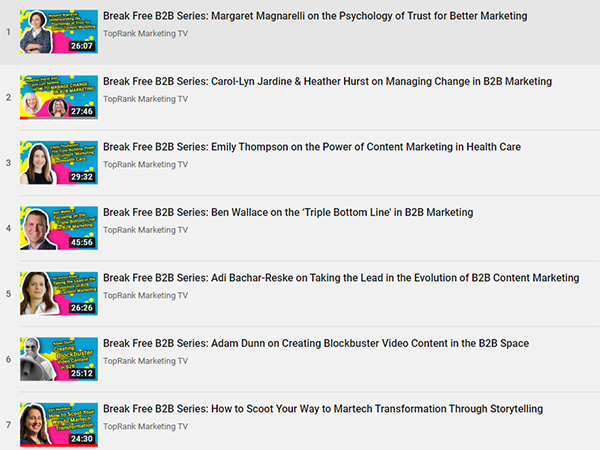
This format is the easiest to associate with episodic mainstays like TV and film, because it follows the very same premise: pull in a viewer with an engrossing video, and then leave them wanting more. There are many examples of this throughout the world of B2B marketing, one of them being our own Break Free B2B webcast series. The interconnected quality in a video content series doesn’t always have to be an ongoing narrative. Sometimes it’s simply a theme that resonates and applies to various installments. In the example of Break Free B2B, there’s no direct linkage between different episodes, except for the core concept — smart, forward-thinking pros sharing their best tips to escape the traditional constraint and barriers of our field. Break Free B2B Video Example Screenshot YouTube itself illustrates the power of episodic video content. By automatically playing another related video after one ends, viewers sometimes stay tuned in for long durations. And to reinforce the platform’s irresistible appeal, Google recently disclosed that YouTube earned more than $15 billion in revenue last year.
Podcasts

These fall into a similar bucket as vidcasts and webcasts, but with a strictly audio focus. There are plenty of popular podcast shows that unpack a progressive narrative over the course of many episodes (Serial was a breakthrough in this regard), but again, it’s often about a cohesive theme or concept. Two of our B2B clients at TopRank Marketing are helping lead the way on this front: 3M’s Science Champions highlights the human side of complex topics, while SAP’s Tech Unknown explores cutting-edge innovation through the eyes of the innovators. When Josh shared B2B podcasting stats here a few months ago, some of the most striking were around the devoted consumption of listeners. For example, 76.8% listen to podcasts more than seven hours a week, and 52% of monthly listeners listen to the entirety of each episode. In other words, once you pull someone into a podcast, there’s a good chance they’ll be hooked. [bctt tweet="“Podcasts continue to attract new listeners. And, most promisingly, those who listen are far more likely to add new podcasts than cut down.” @NiteWrites #B2Bpodcasting" username="toprank"]

Social Casts

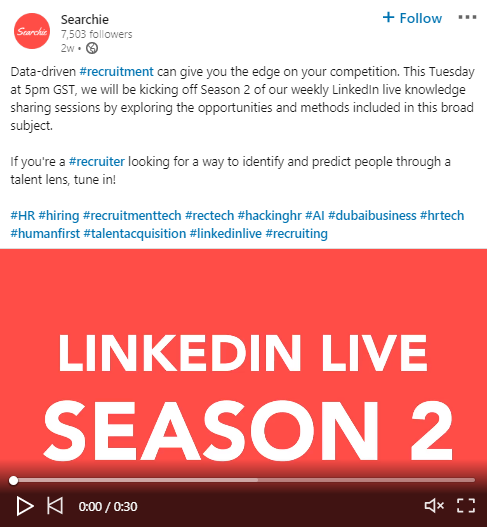
This is a somewhat new frontier, but definitely an intriguing one. Driving consistent social engagement is a challenge for many B2B brands, and episodic social content contributes to solving it. The LinkedIn Marketing Blog* recently highlighted companies that are excelling with video on the platform, and the post includes several examples of episodic campaigns, such as Searchie’s LinkedIn Live series and the Keynotes educational series from eCornell. LinkedIn Live Image Other common examples of episodic social content include weekly hashtag posts, employee spotlights, and daily polls.

Blogs, Guides, Email

The above examples are mostly multimedia-focused, because that best correlates to the high-profile entertainment examples cited from the outset, but written content like blog posts and guides are also perfect for episodic delivery. A thematic newsletter, or series of related blog posts, or collection of ebooks covering the same topical area can all fit the bill. If you strike a chord with your audience, you’ll have them looking out for the next one.

On to the Next Episode

As you plan out your upcoming content initiatives, think about ways you can build them around an episodic framework. It will help you form long-running narratives, gain consistent attention and awareness from your audience, add efficiency to your creation process, and support a cohesive strategy. Instead of thinking about the conclusion of your next campaign or content piece, start thinking about the cliffhanger. A big part of episodic B2B content’s appeal is that it creates a lengthier and deeper experience for the reader, listener, or viewer. Learn more about why experiential content is on the rise in our recent blog entry.     * Disclosure: LinkedIn, along with 3M and SAP, is a client of TopRank Marketing

The post Hungry for More: What B2B Marketers Need to Know About Episodic Content appeared first on Online Marketing Blog - TopRank®.