Monday, December 17, 2018

The Key to SEO & Content Marketing Success: Understanding Search Intent

Tips for Understanding Search Intent

Tips for Understanding Search Intent From changes in how people search thanks to technological innovations such as voice assistants, to changes in how search engine algorithms identify searcher needs, smart SEO is now rooted in understanding and matching the intent behind search queries. When we marketers understand search intent, we can create new content and/or optimize existing content to be more tailored to their audience’s specific needs, problems, and questions—helping gain SERP visibility in the increasingly crowded content landscape, and attract more qualified traffic and build trust with those visitors (who will hopefully feel like you “get” them and their needs). At TopRank Marketing, we call this SEO and content strategy striving to be the best answer for your audiences—wherever and whenever they’re searching. But where do you start? It starts by understanding there are different types of intent. From there, there are steps you can take to create a more data- and intent-informed SEO and content marketing strategy. Below, we dive into the different categories of search intent, as well as provide some starting steps for strategically mapping your content to what your audience is really asking for. [bctt tweet="When marketers understand #searchintent, we can create #content more tailored to our audience’s specific needs, problems, and questions—helping gain visibility, attract more qualified traffic, & build trust. @annieleuman" username="toprank"]

The Four Types of Search Intent

Whether you want to book a flight to Las Vegas or you’re looking to get a crash-course in underwater basket weaving, we all search for content that helps us achieve something. And generally speaking, there are four core types of search intent: informational (know), navigational (go), transactional (do), and commercial (do + know)—all of which manifest at different stages throughout the customer or buyer journey.

#1 - Informational

This type of search intent is all about learning; searchers are seeking knowledge. Searchers here want to learn more about a topic, are asking questions, and seek answers. Generally speaking, this is the most popular type of search intent—but queries can range from simple questions or phrases (broader queries with lots of search volume) to more complex queries (long-tail queries with more complicated answers and lower search volume.) Typically, informational queries occur early in the funnel. Searchers have a problem and they’re looking for a solution. They’re going to take some nurturing before they will be ready to convert and are more interested in getting their questions answered quickly than sticking around and making a purchase. Stage: Top

#2 - Navigational

Navigational intent is all about location. The searcher knows what they need and want, they just don’t know how to find it. Here, searchers often use branded keywords along with specific products and services to find the exact webpage they need. For example, a navigational search might be “L.L. Bean Winter Boots” or “Intel Cloud Computing.” As a result, the SERP typically contains products and service pages as well as brand-related news coverage. Stage: Middle

#3 - Commercial

Searchers with commercial intent are ready to make a purchase, but they want additional information first—hence the “do + know” designation. They have additional questions that they want answered to help them inform their buying decisions. For instance, they might be trying to decide between two different products and services. They know they need one or the other, but just need an additional resource or guide to help them decide. Stage: Middle + Bottom

#4 - Transactional

As the name implies, transactional intent is all about the purchase. Searchers are ready to convert and just need to find the correct page or place to convert. Keywords here are very specific as they’re in the bottom of the funnel and often include transactional terms like “buy,” “sale,” or “price.” Stage: Bottom [bctt tweet="We all search for #content that helps us achieve something. @annieleuman #ContentMarketing #SEO" username="toprank"]

3 Steps for Building Search Intent into Your SEO & Content Strategy

Now that you’re able to look at your SEO and content strategy under the lens of search intent, the three steps below are a great starting point to leverage that knowledge to make strategic decisions.

Step 1: Take Stock of Your Performance

Unsurprisingly, you need to understand where your content stands before you can make informed decisions on where and what to optimize. Take a look at your current keyword map, and what queries you’re ranking for and where in the SERPs you’re ranking. Use Google Search Console, Bing Webmaster Tools, or the same offering from another search engine for this task. Take a peek at your ranking content to determine what characteristics are contributing to your search position. (e.g. How is your content structured? Are you providing a specific answer to the query? Does your target keyword match the queries your ranking for?) Using the data, you should be able to draw some solid insights about the type of intent your existing content is serving, as well as where you may have some opportunities to fill gaps. To gain some addition perspective, consider doing some internal recon to get more qualitative insight on your customers or buying audiences. Ask your sales team what they’re hearing from customers or review contact forms you’re receiving to see what real customers/buyers are looking for—or better yet, ask current customers directly how they found you and what problem you helped solve. Finally, work with your analysts to learn what queries are coming through on internal site searchers. All of this can add some additional perspective when analyzing the hard data. The end goal here is to understand your current state, as well as surface additional opportunities where you can create best-answer content to match with audience search intent. Document your findings and move onto taking a deeper dive into the search results in the next step.

Step 2: Evaluate the Competition

Chances are, your content isn’t dominating Page 1 search results across the board; you have competition. So, you need to take the time to analyze the content topping search result pages for your top priority keywords and topics. This will help you can gain a deeper understanding of how search engines have determined intent and why they’ve identified your competition (indirect or direct) as the best match. Some things to consider as you review results are:
  • Do my initial assumptions about search intent ring true? (e.g. Does my content fit the mold here?)
  • What types of results are on the SERP? (e.g. Are you up against other similar brands? Or are you competing with third-party sites such as Wikipedia? Or is there a variety of seemingly different types of content displayed?)
  • How detailed are the top-ranking pages? (e.g. what’s the length of the content)
  • How is the content structured on those top pages? (e.g. Are there short snackable paragraphs? Is there a strong use of header tags throughout? What CTAs or cross-links are present?)
  • Do I have an opportunity to do better? (How can I optimize my own content to leapfrog other results? Or what other gaps can I fill?)
These are important questions to ask as they can help you see how you measure up. As an example, if one of your target keywords has informational intent and your find top search results are made up of several in-depth, rich blog posts, you’ll know that you need to create an even stronger, media-rich resource to challenge the competition for a better position. (The competition on the SERP is already strong and matches well with the search intent, meaning you’ll have a tougher climb.)

Step 3: Optimize. Create. Iterate.

You’ve taken stock of your own positioning, you understand what you’re up against for increasing your visibility, and you’ve collected more definitive information on search intent. Now, it’s time to put insights into action. Start with the low-hanging fruit. Through your analysis, you’ve hopefully found opportunities to improve existing content by making updates to align with the intent behind a specific target keyword query or topical cluster, as well as adding relevant crosslinks. In addition, document, organize, and prioritize additional opportunities as a part of your content strategy so you can execute and track performance. In fact, you may consider adding the type of search intent, the state of the SERP, and how well you match to intent as categories to your keyword maps, glossaries, and other important SEO documents. These documents should be updated as you make improvements to your content, making it easier for you to track changes, measure performance, and do further optimization based on the results you’re seeing.

Searching High and Low

When you take steps to understand the intent behind your audience's queries, you have the opportunity to not only optimize for your audience's needs, but also show them you get them and what they're looking for. Good old fashioned keyword research and competitive scores paint the outlines of a picture. Search intent adds the color to make your content a work of art. So, start by identifying the type of search intent for your target keywords as you review SERPs. Once you know where you stand and where the competition may be winning, prioritize and execute on opportunities within your strategy to help move the needle. [bctt tweet="Good old fashioned keyword research and competitive scores paint the outlines of a picture. #SearchIntent adds the color to make your #content a work of art. @annieleuman" username="toprank"] Matching search intent will be even more critical in 2019. But what other SEO trends do you need to keep an eye on? Check out our list top SEO trends and predictions to watch in 2019.

The post The Key to SEO & Content Marketing Success: Understanding Search Intent appeared first on Online Marketing Blog - TopRank®.

Thursday, December 13, 2018

Measuring Content Marketing Success: Analytics Advice & Insight from the Experts

Blue tunnel of numbers image.

Blue tunnel of numbers image. Welcome to the seventh installment in our “Collective Wisdom” series of content marketing strategy and tactics articles. Previously we’ve covered planning ahead for content marketing success, the art of crafting powerful content, and an array of strong promotion tactics. So, what’s up next? Measurement and analytics. Measuring and analyzing your content’s performance is critical so you can uncover new opportunities, make improvements, and determine whether you’re meeting your goals. Here we share some tidbits of analytics wisdom and insights from some famous figures inside and outside the digital marketing realm.

Having the Right Data is Crucial for Measuring Success

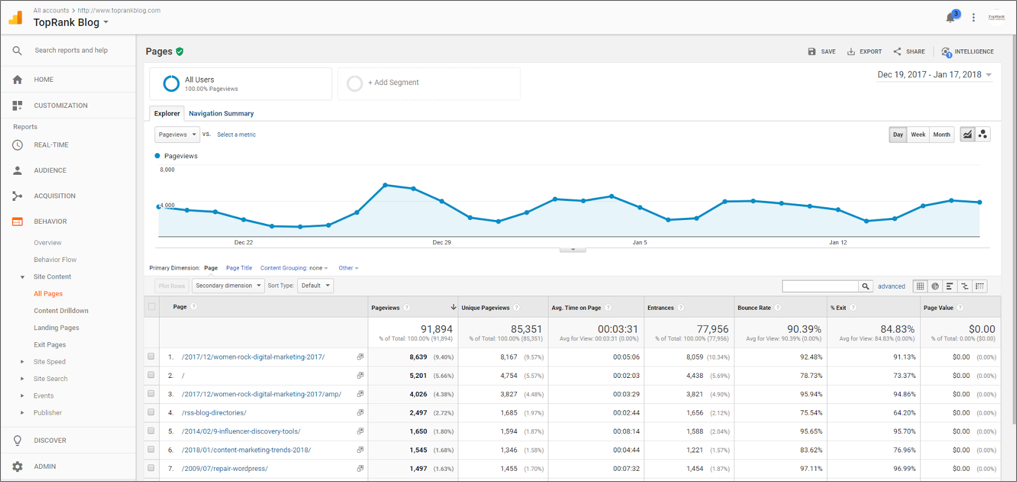
How do you gauge success in content marketing? At the most basic level, you want to learn how much online traffic is coming to see your content. But what should you count and what can be ignored? Albert Einstein offered insight that I think applies to marketing analytics, and on a greater scale to life itself. [bctt tweet="“Not everything that can be counted counts, and not everything that counts can be counted.” — Albert Einstein" username="toprank"] via GIPHY Measuring this traffic has always been rather tricky, and nearly as long as the Web has been around there have been tools dedicated to helping track and understand just how successful a piece of content is. Even as we've seen the growth of big data, extracting the right information is still a challenge, as Tamara McCleary, CEO at Thulium.co, points out. [bctt tweet="“Everyone likes to talk about Big Data. The truth is, what we really need is Smart Data.” @TamaraMcCleary " username="toprank"] Regardless of your industry, there's no sure-fire substitute for common sense, as digital transformation speaker and Forbes contributor Daniel Newman has noted. [bctt tweet="“While I do love big data, I know there is no substitute for good old-fashioned common sense. If the data really doesn’t fit, question it. Ask deeper questions.” — Daniel Newman @danielnewmanUV" username="toprank"] Besides server-based software, hundreds of companies also offer specialized Web analytics tools that operate using remote access to your content, the most popular of these being Google Analytics. Here's an image of Google Analytics from "How to Prove the Value of Content Marketing to Your CMO in 3 Easy Steps," by our own Content Strategist Anne Leuman. Snapshot of TopRank Marketing Google Analytics No matter which software, online tool, or service you use, the pursuit is by its very nature a complex one. It requires a good deal of dedication and learning to deeply understand which bits of data you really care about, so you can find the best ways to accurately gather and analyze them.

Choosing The Right Analytics KPIs

No matter which tools you choose, a primary decision you’ll have to make is what to measure to gauge success of failure, and these will be your Key Performance Indicators (KPIs) — those signals that matter the most to you and your business. KPIs vary widely, so it’s important to find the ones that will provide you with the data that’s the most relevant to your own content measurement situation. Setting S.M.A.R.T. goals — those that are Specific, Measurable, Attainable, Relevant, and Time-Based — are especially pertinent in the realm of data analytics, as Danica Benson, Global Product Marketing Manager SMB at SAP Concur and former Marketing Communications Manager at Rival IQ, has pointed out. [bctt tweet="“Digital marketing analytics software can aggregate and report on a wide array of metrics, many of which are fun to know, but without context don’t tell you much about how to move forward.” — Danica Benson" username="toprank"] The dangers of relying too heavily on statistics, however, have been espoused for over 100 years, including the famous quote popularized by Mark Twain in 1906, “There are lies, damned lies, and statistics.” Knowing how to wisely interpret statistical data — especially what information to set aside — is a bit of a combination of art and science that takes dedication and research. via GIPHY Jay Acunzo, founder, host and writer at Unthinkable Media, explores two methods of finding this data measurement wisdom in “There Are 2 Ways to Approach Data. Which Helps vs. Hurts Creativity?,” offering both an Aristotelian and a Galilean take on the art and science. [bctt tweet="“When we’re data informed, we isolate variables, test, and learn. We insert our own sense of taste and our intuition into the process.” @jayacunzo" username="toprank"] Taking the time to learn and choose the right KPIs for extracting actionable insight from your analytics data is well worth the effort, as Kyle Harper, Marketing Analyst at Harvard University points out in his recent "Comprehensive Guide to Connecting Content Marketing KPIs to Business Goals." [bctt tweet="“Well-chosen content marketing KPIs are more essential than ever. Knowing the right KPIs to track can help sort out the most important performance information from the noise.” — Kyle Harper @TheyWereFlying" username="toprank"]

Analytics Can't Simply Be an Afterthought

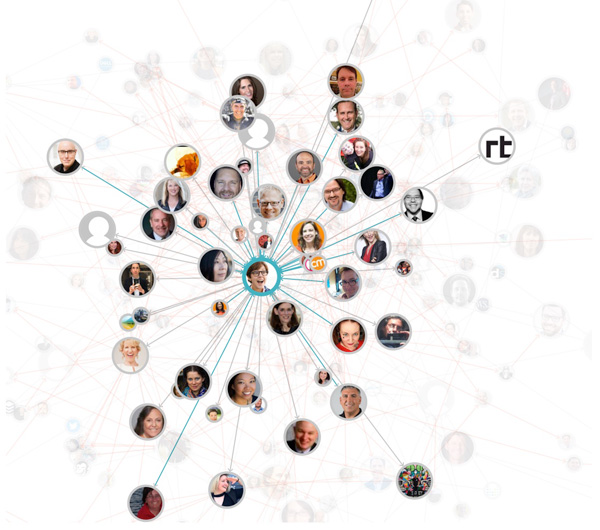
Deciding how to measure success is critical to any content marketing strategy, so measurement and analytics need to be included from the very beginning of your planning process. Large numbers of technical professionals worldwide make a career from trying to gauge the success of online content. And while it isn’t our intent to teach you the detailed and ever-changing intricacies of analytics, we would like to share some fundamental truths with you. Longtime technology consultant Joel Snyder, Ph.D. points out in a recent article that analytics is far from new, and that even the smallest firms now gather heaps of statistical data. [bctt tweet="“Data analytics isn’t some new magic bullet. It’s a way of leveraging the data that most every business has been quietly accumulating for years to deliver insights that lead to better decisions.” — Joel Snyder, Ph.D. @joelsnyder" username="toprank"] In some ways, some aspects of analytics have gotten easier. With the massive growth of the internet at-large, social media, and other platforms, methods for tracking that have become nearly universal—such as the ubiquitous Facebook "like" or Twitter "heart." via GIPHY Whether you’re just starting out or a seasoned pro, a considerable challenge is wading through the vast number of analytics tools and finding the ones that mesh well with your needs, including how you prefer to visually see your analytics data. Some tools offer only simple text-based lists, while most make a point to present analytics information in ways that are visually easier to understand. Using just one analytics utility was commonplace in the Web’s early year. But today, it’s not unusual for savvy digital marketers to use five, 10, or even more tools, all from different firms — some free, some commercial, and others custom-made. Accurate and relevant measurement can also help with influencer marketing campaigns, as our CEO Lee Odden looks at in “B2B Marketers: Is Your Influencer Marketing Mechanical or Meaningful?” [bctt tweet="“Platforms like Traackr, Onalytica, GroupHigh and BuzzSumo (to name a few) can be instrumental for the most effective (vs. subjective) influencer identification, engagement, measurement and program management.” @LeeOdden" username="toprank"]

Analytics Tools Can Be Your Best Friend

Old-world measurement and mapping tools image. The scope and complexity of analytics tools varies greatly, but where can you start when looking to begin a new campaign, or when you just want to keep up on the new players that are entering the market in greater numbers than ever? To help you learn more about some of the analytics tools available, we've put together a list of 11 helpful resources exploring several of the more popular analytics tools and services. Four Takes On Google Analytics SEMrush Trust Insights 2018 #MPB2B Influencers Network Ahrefs Quintly Twitter Facebook BuzzSumo There are hundreds of other excellent data analytics tools and services available, including those from Sprout Social, RivalIQ, Traackr. Internet Marketing Ninjas, Screaming Frog, SpyFu, Moz, and so many more.

Additional Resources to Put You on the Path to Informed Measurement

Smiling girl measuring her height against a chalkboard image. As a final parting bonus list, here’s a collection of recent helpful additional resources to boost your analytics knowledge.

7 Recent Data Analytics Trends

[bctt tweet="“Only 30% of B2B marketers use data to inform decision-making. That’s because harnessing data is hard. Over 2.5 quintillion bytes of data are generated every day.” — Alexis Hall @Alexis5484" username="toprank"]

Next Up: More Measurement Tactics For Your Campaigns

By learning the fundamentals of data analytics, choosing the tools that best fit your own particular needs, and keeping up on the latest industry news, your content marketing will be set to have measurable advantages over those who skip or only pay lip service to the art of metrics. Next up in our “Collective Wisdom” series we’ll take a look at additional measurement and analytics tools and how to use the data you gather. If you haven’t yet caught our previous episodes in this series, hop back and study up:

The post Measuring Content Marketing Success: Analytics Advice & Insight from the Experts appeared first on Online Marketing Blog - TopRank®.

Wednesday, December 12, 2018

TopRank Marketing’s Top 6 SEO Predictions & Trends for 2019

SEO Trends & Predictions 2019

SEO Trends & Predictions 2019 The year-end hustle and bustle is on, marketers. We’re all finalizing next year’s tactical mix and strategy, refining targets, and setting goals—all with the intention of driving bigger, badder, and better results in the new year. When it comes to setting your SEO strategy for 2019, here’s an important stat to keep in mind: 61% of marketers say improving SEO and growing their organic presence is their top inbound marketing priority. For more than two decades, SEO has been a foundational digital marketing tactic. And as algorithms have been refined, content has proliferated, and innovation and technology have changed how we search—competition in the organic search landscape has hit an all-time high. What does 2019 have in store for us in the SEO realm? Here are our top SEO predictions and trends marketers should know now and keep an eye on into the new year.

#1 - The Mobile-Friendly Flag Will Fly Higher Than Ever

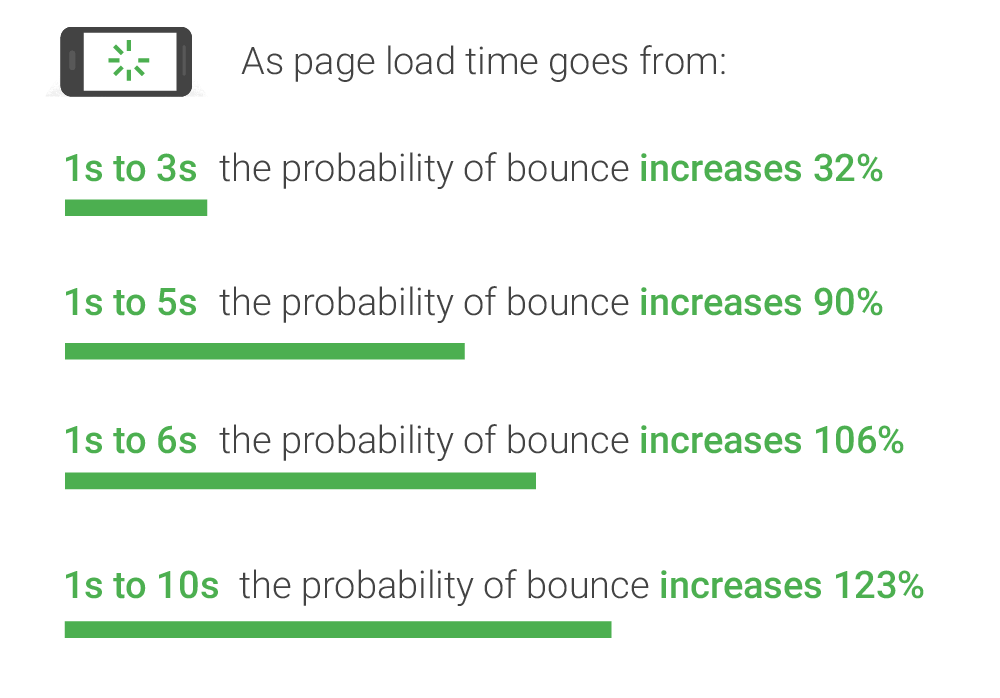
After more than a year of experimenting, Google released its mobile-first indexing in March 2018. With over half of all web traffic coming from mobile devices, this move reflects Google’s continued commitment to serving the best quality content to searchers when and where they’re searching. Mobile-first indexing simply means that Google is now using the mobile version of a given page for crawling, indexing, and ranking systems—rather than the desktop version, which had previously been the default. According to Google, mobile-indexing doesn’t provide a ranking advantage in and of itself, and is separate from the mobile-friendly assessment. However, as mobile web traffic has begun to dominate the search landscape, sites need to be mobile-friendly to remain competitive and consistently show up in mobile search results. A poor mobile experience can lead to a decrease in other ranking factors, like bounce rate—as illustrated below. Page Load Times and Bounce Rate Source: Think with Google While many search marketers have seen this shift coming, Google’s research showed that “for 70% of the mobile landing pages we analyzed, it took more than five seconds for the visual content above the fold to display on the screen, and it took more than seven seconds to fully load all visual content above and below the fold.” The mobile benchmark they’re setting for load time is under three seconds. All this means that 2019 is absolutely the time to firmly plant your flag strongly in the mobile-friendly camp. This will mean evaluating your web presence, SEO strategy, and content to ensure you’re able to provide the best possible mobile experience. If you’re unsure where you stand, you can start with Google’s Mobile-Friendly Test tool to test how easy it is for your audience to visit pages on your website.

#2 - Voice Search Will Continue to Raise the Content Stakes

The metaphorical cat is out of the bag when it comes to the ease of voice search. One in six Americans now owns a smart speaker, according to TechCrunch. By 2020, Gartner predicts that 30% of web browsing sessions will be done without a screen. Finally, there were over one billion voice searches per month as of January 2018. And with voice search platforms recording an error rate of under 5% with natural language processing (in English, at least) it stands to reason this trend will continue to grow as users find more reliable results. However, the switch to voice search will come with a new set of challenges for marketers—and that’s natural language. As of May 2017, almost 70% of requests to the Google Assistant are expressed in natural language versus typical keyword-based searches like those typed into a search bar. As a result, in 2019 and beyond it will be increasingly important for marketers to optimize and create content that lends itself to voice search. From a technical perspective, the usual suspects of page speed, site security, and domain authority will play an important role here. But at the end of the day, it’s all about ensuring your site content can be easily found via voice search. What will that content need to look like? Backlinko found that the average word count of a voice search result page is a whopping 2,312 words—and those words are written at a ninth grade level. In addition, considering and striving to match search intent will be more important than ever. Marketers will need to focus on what we like to call “being the best answer.” This means focusing on answering those question your ideal audience is and will be asking—whether they’re speaking to a smart speaker, smartphone, or web browser. “Google is essentially an answer engine,” TopRank Marketing CEO Lee Odden said not long ago. “If companies want to be the ‘best answer’ for what their potential customers are looking for, they’ll want to invest in content that is comprehensive and engaging on the topic.” [bctt tweet="If companies want to be the “best answer,” they’ll want to invest in #content that is comprehensive and engaging on the topic. - @leeodden #SEO #SearchMarketing" username="toprank"]

#3 - Increasing Privacy Demands Will Tip the Search Scales

From the two recent Google Plus data leaks affecting over 50 million users to massive data breaches at some of the world’s largest companies, we’re all increasingly aware of the amount of personal data floating about the digital realm. This coupled with an innate distrust in marketing messages—not to mention the “creep factor” of being followed around by ads—consumers and B2B buyers alike are looking for more privacy and protection on the web. For several years, HTTPS has been considered a ranking signal. And Google made their stance on HTTPS encryption well known this year. Ahead of the release of Chrome 68, Google strongly advocated websites make the HTTPS switch by July 2018—or risk their site being stamped “not secure” in the browser. In 2019 and beyond, marketers can expect Google and perhaps other browsers to double down on this. In addition, with new data protection laws like GDPR in the European Union, marketers can expect new privacy and security to take shape. This will certainly continue to impact paid search efforts, as new rules and restrictions will cause platform target changes. And that means that smart organic SEO will see a revival. Of course, GDPR doesn’t technically affect US-based customers, following data protection guidelines can only help your cause in building trust and keeping Google happy.

#4 - Expanding Market of Alternative Search Platforms

Google is still the king of search. But its market share is being challenged by more traditional search engines with a twist, as well as “non-traditional” search platforms. Case in point: Amazon. A recent eMarketer report shows that Amazon is now the third-largest digital advertising platform, behind Google and Facebook. In addition, according to Kenshoo, a whopping 72% of shoppers now use Amazon to find products, and 56% shared that they typically look on Amazon before any other sites. So, as Amazon search continues to find its legs in the digital advertising market, it’s worth considering their audience size and growth as your finalize your 2019 budget. As for those engines that resemble Google, Bing will continue to be a key player in SEO and paid search marketing in 2019. It accounts for about 22% of the desktop search market in the US and 4.1% of the mobile search market. With their recent rollout of LinkedIn profile targeting, their offerings are becoming increasingly attractive to the B2B market. Finally, alternative search platforms such as DuckDuckGo, StartPage, and Mojeek are growing in adoption—and you can bet that trend will continue in 2019. In fact, DuckDuckGo is will hit record traffic by the end of 2018, according to AdWeek. At the time of this post’s publishing, the “internet privacy company” had recorded more than 8.5 billion direct queries in 2018. DuckDuckGo Example While Google still reigns supreme, boasting well over half of the search market, marketers need to take note and consider additional platforms when designing their SEO and search marketing (and content) strategies—and no just because usage is rising. If you’re looking to get the most bang for your paid search buck, competition on alternative platforms is much lower right now—making it ripe with opportunity.

#5 - Raise The Bar on Content—Or Your Competitors Will E-A-T Your Lunch

While it makes a delightful pun, E-A-T is a serious concept in the SEO game. Google has told us many, many, many times that quality content will help shield from algorithmic changes and updates. Your content simply needs to follow three basic principles: Expertise, Authority, and Trustworthiness. In 2019, this means that it’s time to double-down on quality content creation. As we mentioned earlier, that quality content needs to meet relevant search intent and strive to provide the best answer for the searcher. But it shouldn’t simply be a concern for brands that are creating content, E-A-T also applies to individual authors. Creating quality content isn’t just a question of long-form or short-form. It’s content that’s created with the end-user in mind. High quality content should inform, entertain, or otherwise provide value to those reading it. That’s what ultimately ends up being shared socially, which is another factor in how Google views your content’s trustworthiness.

#6 - ‘Internetization’ Offers New Opportunities, But Requires Smart SEO Strategies

Our world is more connected than ever, thanks to what Constantine Passaris, Professor of Economics at University of New Brunswick, calls “internetization.” “Globalization is not an accurate descriptor of the 21st century and the internet-driven transformational change sweeping the international economic landscape,” he wrote in a World Economic Forum article. “Internetization is the contemporary face of globalization. It includes the modern tools of electronic globalization and embraces the digital connectivity and empowerment of the internet and the World Wide Web.” And as internetization continues to proliferate, B2B brands of all sizes have the opportunity to broaden their global footprint. But when it comes to reaching new audiences whenever and wherever their searching, you’ll need a smart global SEO strategy in 2019 and beyond. “Serving a global audience begins with understanding them,” Eli Schwartz, Director of SEO & Organic Product at SurveyMonkey, told us in an interview earlier this year. “By gaining insights on your audience through People Powered Data, you can create an SEO strategy that matters to them and reaches them in the vernacular in which they speak.” He added: “Depending on the potential value of these global users, it may not be prudent to translate the full site or offer free global shipping, but translating that one page that targets the most important international keywords is not that complicated. Additionally, companies can take the very first step towards global SEO by just having a look at where and how their website ranks on Google internationally. They may very well find some low hanging fruit worth building a strategy around.” [bctt tweet="By gaining insights on your audience through People Powered Data, you can create an #SEOStrategy that matters to them and reaches them in the vernacular in which they speak. - @5le" username="toprank"]

A Little Reminder to Take the SEO “Basics” into 2019

There are plenty of new and flashy trends to keep us all busy in the coming year, but that doesn’t mean that we should forget about the foundational elements of SEO. The Ranking Factors SEMRush Study 2.0 provides an excellent reminder of what truly matters to Google: Domain authority, direct traffic, content quality and website security. The SEMRush study shows one clear winner in the ranking factors category—direct traffic. This metric is typically a measure of brand awareness, and thus domain authority. Focusing on direct traffic as a KPI for your overall marketing awareness isn’t likely to go out of style any time soon. Another key factor along the lines of domain authority is the amount of backlinks to your site. “Every domain that ranks for a high-volume keyword has on average three times more backlinks than the domains from the three lower-volume groups on the same position,” says SEMRush in the same study. Along with having an authoritative domain, it’s also important to provide quality content. Time on site, pages per session, and bounce rate remain in the top 5 ranking factors this year. Content length is also a factor, as the same study shows that there’s a 45% difference in content length between the top 3 and the 20th SERP position. If you want your content to rank, make it worth reading and engaging with. “The data is there,” Lee said not too long ago. “Customers are telling you what they want. The question is, how to connect those dots of data to understand and optimize customer experiences?” Using data to understand customer preferences for search discovery and intent will help you optimize content to become the best answer buyers are looking for.

Ready. Set. Let’s Go, 2019

As you gear up for 2019, keep these trends—and the basics of SEO and search marketing—in mind. Providing the right information, quickly and in a way that is easy will always be in style. The ways we get there may change with time (or algo updates), but the focus remains the same. Content is SEO’s beautiful stepsister. What’s on tap for 2019 in the content marketing realm? Check out our picks top content marketing trends and predictions to watch in 2019.

The post TopRank Marketing’s Top 6 SEO Predictions & Trends for 2019 appeared first on Online Marketing Blog - TopRank®.

Monday, December 10, 2018

5 Common Digital Marketing Data & Analytics Challenges and How to Start Solving Them

The volume and velocity of the data at our fingertips today has the power to transform the way we do marketing. Armed with the right data about our target audience, we can reach them at the right time, in the right place, with the best tailored messages. Given the deluge of marketing messages inundating consumers and B2B buyers at every moment, it’s critical that your marketing messages be the most relevant in order to break through the clutter. However, many of us still aren’t using data to its full potential. Only 30% of B2B marketers use data to inform decision-making. That’s because harnessing data is hard. Over 2.5 quintillion bytes of data are generated every day, across so many different people, channels, devices, and technologies. And nearly 50% of marketers say they don’t have the the right people, processes, and technologies in place to make use all of that data to make an impact. To continue to thrive in a crowded market place, and to truly show the impact of marketing as a revenue generator, it will be critical to get the people, process, and technology in place to make your data work for you. Of course, it won’t happen overnight. But regardless of where you are in your journey to data sophistication, you can start solving your challenges now. Below, we dive into five frequent data challenges and how you can put yourself on a path to overcome them.

Challenge #1 - The data you need doesn’t exist.

Despite all of that data being generated and captured, you could still be experiencing gaps in your data reporting. Typical data holes, include:
  • Lack of attribution
  • Incomplete contact records
  • Not all marketing and buying activities are being tracked
These data holes are usually caused by a lack (or non-adherence) of process by both sales and marketing teams. The result is an incomplete picture, which can lead to inaccurate data analysis. Unsurprisingly, if your marketing activities aren’t properly tracked, you’re not able to truly measure the result of one marketing activity over another. But the good news is that this is one of the easiest challenges to overcome.

Start Solving The Data Gap Challenge

First, examine the process and governance around your tracking and database. If you don’t have one, create a policy around data governance focusing on getting top-down buy-in on the importance of collecting and maintaining accurate data. For your database:
  • Ensure new records are complete by reviewing data input requirements with the sales team, ensuring all know how and why complete data records are critical. And ensure your CRM and website forms are set up properly to ensure mandatory data is collected and entered.
  • Consider a major scrub if you have a lot of bad data. There are a variety of CRM services or add-on tools to help clean up inaccurate or duplicate records. Manually fixing thousands of records will be nearly impossible in most cases, so consider bringing in outside help.
For marketing activities:
  • Create and enforce a process within your marketing team so tracking is in place on every activity possible.
  • If you you’re already using Google Analytics, make the most out of it by:
    • Ensuring goals and events are setup to track major conversions (like a contact form completion) and micro-conversions (like a video play).
    • Use Google URL builder for improved campaign tracking. Unique URLs can help you pinpoint which marketing activities are driving the most activity.
  • Identify other key data points that you’re not currently able to track with your existing set of tools. From there, research free tools to help you fill in gaps or set aside budget to make an investment in new technology.

Challenge #2 - You have data silos.

Many of you are dealing with multiple legacy systems, perhaps put in place by different teams, that don’t necessarily work together. Between your CRM, analytics platform, marketing automation, and social listening tools, data and platform integration may not be happening—and it’s holding you back. Finding a solution to this challenge will enable your data to become incredibly powerful. Integrating data across systems gives you the opportunity to create a more complete view of a customer or prospect, connecting activity throughout the buying journey and enabling you to reach them with the most relevant messages.

Start Solving the Data Silo Challenge

Start breaking down data silos by creating a list of data collection processes and tools across departments. Once you have the list, you can start to identify if any systems can be merged together. Many stand alone CRM, marketing automation, and analytics tools offer integration capabilities with other common platforms. Or you may already have a tool in place you are using for one function, that can be used for other jobs. If merging isn’t possible, then consider an alternative tool that can integrate with your other systems or do multiple things. This is also a good time to evaluate communication and processes across departments. Opening up silos between teams will help minimize new silos from forming and open up communication and access to data, which can improve the effectiveness of marketing activities. Read: How to Become a Better Data-Informed Content Marketer

Challenge #3 - The data is tough to analyze.

Anyone who has ever attempted to analyze thousands of rows of marketing data within an Excel spreadsheet can attest that it can be cumbersome and time consuming. For many of us, data volumes have accelerated much more quickly than our tools and abilities to analyze that data. Even if you have the most accurate, complete data, if you don’t have the right skills and strategies in place to analyze it, you can’t make an impact.

Start Solving the Data Analyzation Challenge

First, ask yourself if you have the right people in place to solve this problem. Data and technology has likely opened up the need for new positions within your team. An experienced analyst (or team of analysts) can manipulate large volumes of data and serve up insights to help your content marketing, social, advertising, and other teams make more informed decisions and show the impact of your work. Data scientist is another in demand title within marketing. The right person in this role can help you evaluate tools, manage data sources, and create process and strategies to turn formless data into a powerhouse of insight to change how your team uses data. From there, assess your technology stack to determine if you have the right tools in place to enable your current or future analysts understand and visualize the data.

Challenge #4 - You don’t trust your data.

It’s safe to say that you and your organization believe data and analytics are critical. In fact, a survey of some of the world’s leading businesses showed that 97% were making big investments in data and analytics this year. However, despite the need and the investment, the degree of confidence in data could be low. According to a recent survey by KPMG and Forrester Consulting, just 38% of respondents said they have a high level of confidence in their customer insights. Furthermore, only a third seem to trust the analytics they generate from their business operations. This gap in trust can be a result of lack of transparency or governance around data sourcing and analysis. And present a significant opportunity for organizations to create, refine and circulate policies for data and analytics management.

Start Solving the Data Trust Challenge

If you’ve already head nodded to one of the first three challenges presented, you likely need to start there. A legacy of incomplete and inaccurate data and analytics has driven the current lack of trust. KPMG recommends taking a systematic approach to building trust within data and analytics, by examining trust in data across four pillars:
  1. Quality (Are your tools and data quality?)
  2. Effectiveness (Is the data analysis useful and accurate?)
  3. Integrity (Are data and analytics being used in an acceptable and ethical way?)
  4. Resilience (Are long-term operations optimized?)

Challenge #5 - You can’t make the predictive leap.

If you have the right people, processes, and tools in place to effectively report on and analyze data across channels, that’s fantastic. You’re likely leveraging your historical data along with human insight to create more effective messaging and showcase the ROI of your marketing activities. But the question is: Are you in a position to get ahead of your audience’s needs? More than likely, you’re “guessing” at what your audience needs and wants based on what’s already happened, and you haven’t made the predictive leap to uncover deeper trends that will require changes in your mix.

Start Solving the Guessing Game Challenge

Start thinking about how machine learning (ML) and artificial intelligence (AI) can be implemented to help you predict future outcomes. ML and AI technologies not only have the ability to automate data crunching, but they can also create models using your multi-channel data to determine what is likely to happen if you stop or start using a tactic. For many marketers, AI and ML are daunting solutions to implement, as they are new and can require a significant investment. But the good news is that you can dip your toe in the waters by outsourcing to an established vendor. If you want to get something going in-house, Microsoft, IBM, and Amazon all have machine learning solutions you can research, consider, and test. Read: This Changes Everything: How AI Is Transforming Digital Marketing

Overcome Your Data & Analytics Challenges in 2019

Without a doubt, the importance of data and analytics will continue to increase as we go forward. Start now to identify what challenges are holding your marketing team back from making the most out of your data. With the right people, process, and tools and technologies in place, you can solve current challenges and evolve a powerful data and analytics operation—ultimately setting you up for more success now and into the future. What are some of the specific strategies and tactics for optimizing performance with data? Our CEO Lee Odden dives into three ways content marketers can leverage data right now.

The post 5 Common Digital Marketing Data & Analytics Challenges and How to Start Solving Them appeared first on Online Marketing Blog - TopRank®.